

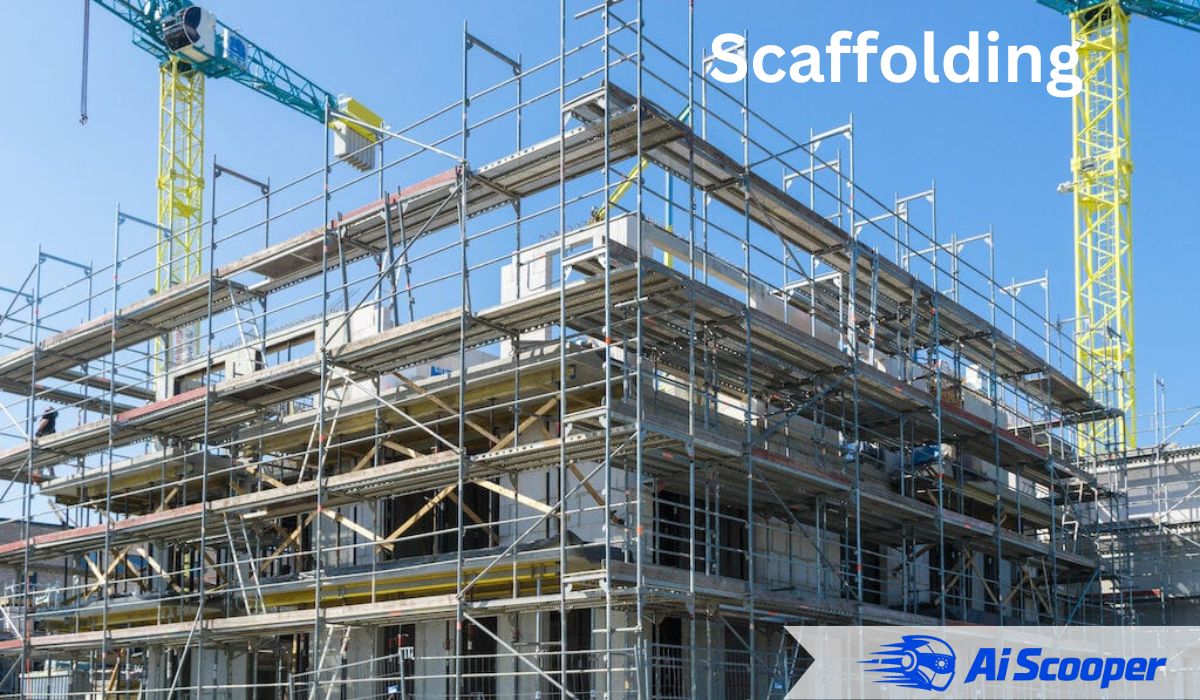
Every major building has a hidden support story behind it. Before the glass shines, the walls are finished, and the roofline looks complete, workers need a safe and stable way to reach the areas that matter most. That is where Scaffolding begins its role. In modern construction, it is not just a temporary frame around a building. It is a planned work system that helps people build, repair, inspect, and finish structures with better safety and better control. From residential homes and retail buildings to bridges, towers, and restoration sites, this support system shapes how work gets done from the ground up.
The life of a construction project often mirrors the life of its access system. It arrives early, grows with the structure, adjusts to changing needs, and leaves only when the building is ready to stand on its own. That is why its role is so important. Workers depend on it for movement, balance, material placement, and reach. Site managers depend on it for workflow, trade coordination, and schedule control. In many ways, the story of a successful build can be told through the way this work platform is planned, used, and managed across every stage.
Why Modern Projects Depend on Safe Access Systems
Modern construction is faster, taller, and more detailed than ever before. Crews often work on several parts of a structure at the same time, and many of those tasks happen above ground level. Bricklayers need space to lay walls evenly, painters need room to move across large surfaces, and repair teams need close access to damaged areas. A reliable temporary structure helps each crew work at the right height without losing time or balance. It turns a difficult area into a practical work zone.
This matters because ladders and lifts cannot solve every problem on a busy site. Ladders are limited for long work sessions, and powered lifts are not always ideal for large wall sections or complex shapes. A stable platform system gives workers a wider area to stand on, room for tools, and safer movement between levels. That improves speed and comfort while reducing strain during repetitive tasks.
It also supports better teamwork. On a modern site, one trade often follows another in a tight sequence. Exterior framing may be followed by façade work, then sealing, painting, or inspection. Without dependable elevated access, those teams can fall behind and create delays for everyone else. That is why contractors view this system as more than support equipment. It is part of the job plan itself.
The Main Components That Keep the Structure Stable
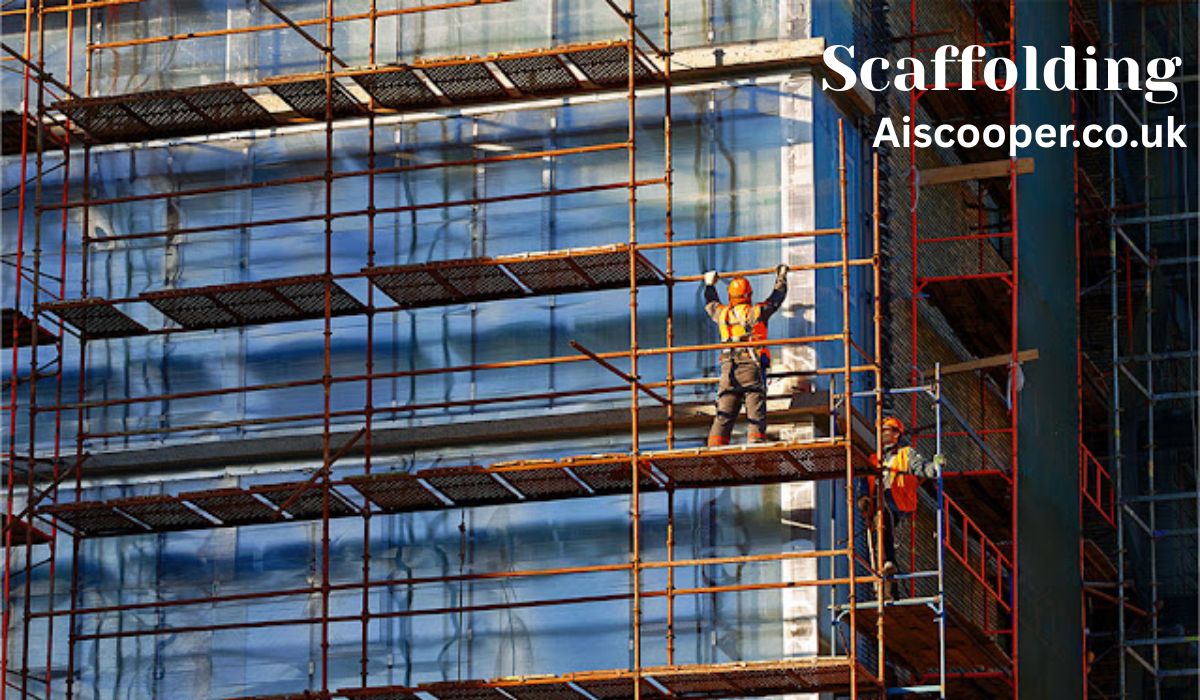
Every part of this temporary framework has a job. Vertical standards carry weight down to the base, while ledgers and transoms connect the frame and support the working deck. Base plates and adjustable jacks help create a steady start, especially on uneven ground. The platform boards or metal decks form the walking surface where workers stand, move, and place tools. Guardrails and toe boards help reduce fall risks and keep smaller items from slipping off the edge.
Bracing is another important part of the system. Without it, even a strong frame can lose stability when workers move, materials shift, or wind pressure increases. Ties connect the structure to the building when needed, helping it remain secure at greater heights. Access ladders and stair towers allow workers to move up and down in a controlled way instead of climbing outer frame members.
Different projects call for different system types. Some sites use supported frames from the ground, while others rely on suspended platforms for tall building exteriors. Mobile towers work well for indoor maintenance and overhead installations. Tube-and-coupler designs are often chosen when a building has an unusual shape or when a repair project needs more flexibility. The choice depends on the structure, the task, and the site conditions.
How Planning Starts Before the First Section Goes Up
The real work begins long before assembly. Site teams study the building design, the height of the work areas, soil or ground condition, material loads, and nearby hazards. They also think about worker access, delivery paths, weather exposure, and how the temporary structure will fit around other equipment. This planning stage helps prevent unsafe loading, poor placement, and costly changes later in the project.
A well-planned system often follows the project like a biography. At the start, it may cover only one side of a structure for foundation or lower wall work. As the building grows, more sections are added to keep pace with framing, masonry, and exterior finishing. In restoration work, the design may need to protect sensitive surfaces while still giving close inspection access. In commercial construction, the setup may change to keep entrances open or protect public walkways near the site.
This is why planning is not only technical but practical. Project managers and access specialists must think ahead. They need to know where people will move, where materials will be placed, and how the system will change as the structure changes. When that planning is done well, the platform becomes part of the building process instead of a problem to work around.
Assembly on Site and the Importance of Correct Installation
Once the layout is approved, trained crews begin erection in a set sequence. The base is prepared first so the structure starts on firm support. From there, installers add vertical members, horizontal supports, bracing, and working decks. Guardrails, access points, and ties are added as the system rises. Each step matters because missing or poorly fitted parts can affect the safety of the whole structure.
Modern construction does not leave this to guesswork. Installers follow site drawings, manufacturer instructions, and local safety requirements. Even small changes can create larger issues later, especially on taller projects or on sites with changing weather. That is why proper installation is treated as a skilled task rather than a simple labor job. A good crew knows how to build for strength, access, balance, and safe daily use.
After erection, the platform is checked before crews begin work. Supervisors inspect the deck, railings, alignment, support points, and access routes. On many sites, inspection tags or site logs show whether the system is approved for use. This step is essential because a structure may look complete from a distance while still having hidden problems that can put workers at risk.
How It Supports Daily Work Across Different Trades
One reason this system remains central to construction is that it serves many trades at once. Masons use it to place block and brick with better reach and cleaner alignment. Plasterers and stucco crews need it for even surface finishing across long wall runs. Painters use it for broad exterior coverage and detail work around windows, trim, and corners. Roofers, installers, and repair teams also depend on safe elevated access near upper edges and wall junctions.
It improves the quality of the work as much as the speed of the work. When people can stand at the right height and keep their tools close, they do a better job. A steady platform helps reduce awkward body position, repeated climbing, and unnecessary movement. That means crews can focus on finish quality, alignment, and inspection details rather than trying to hold balance while working.
It also supports site coordination. When one trade finishes a section, another can often move in without waiting for a totally new access method. This continuity saves time and reduces confusion. A project that keeps crews moving safely from one stage to the next is much more likely to stay on schedule and avoid costly disruptions.
Safety Rules That Shape Real Performance on the Job
Safety is one of the biggest reasons these temporary systems are so carefully controlled. Work at height carries risk, and a strong frame alone is not enough to reduce that risk. Safe performance depends on correct design, load limits, secure ties, complete guardrails, and trained workers who understand how the system should be used. If any of those pieces are ignored, the platform can become unsafe very quickly.
Daily use plays a major role. Materials should be spread properly, not stacked carelessly in one location. Platforms should stay clear of debris, loose tools, and packaging. Workers should use proper ladders or stair towers instead of climbing the outer frame. Weather also matters. Rain can make decks slippery, and strong wind can make elevated work unsafe even on a well-built system.
Good job sites rely on simple habits that protect both workers and progress:
- inspect the work platform before each shift
- keep tools and materials organized across the deck
- follow load limits for workers, supplies, and equipment
- report loose parts, damage, or movement at once
- use approved access points instead of climbing the frame
- stop elevated work during unsafe weather conditions
These habits may seem basic, but they often decide whether the site stays productive or faces delays, repairs, or injuries.
The Role of Engineering and Modern Building Methods
Construction methods have become more advanced, and access systems have advanced with them. Many large projects now use engineered layouts based on height, weight, tie spacing, and expected activity on each level. Instead of relying only on field judgment, teams often use drawings and digital planning tools to shape how the system will interact with the building envelope and the work sequence.
This is especially useful on high-rise projects, complex façades, and sites with tight space. A design team may need to consider cranes, public walkways, power lines, loading zones, and overhead restrictions before finalizing the layout. With better planning tools, contractors can see these issues earlier and make smarter decisions about access points, materials, and phase changes.
Technology has also improved inspection and site control. Many contractors now use digital checklists, tagged approval systems, and mobile reporting tools to track changes in condition. These tools do not replace experience, but they support better communication between installers, safety staff, and project managers. In modern construction, elevated access is treated as a key part of engineering and site logistics rather than just a temporary add-on.
Common Challenges and How Skilled Crews Handle Them
No two sites are exactly the same, and that is why access planning often faces real-world challenges. Uneven soil, narrow property lines, awkward building shapes, and public foot traffic can all make setup harder. Older buildings may have fragile surfaces or unusual geometry that require extra care. On some projects, sections need to be moved or altered several times as the work progresses from structure to finish.
Weather creates another layer of difficulty. Wind, heat, and heavy rain can affect both erection and daily use. Materials may need to be staged differently, and crews may have to pause work at higher levels for safety. Fast-moving projects can also create pressure to modify the system quickly, which is where mistakes usually happen if communication is weak or supervision is limited.
Skilled teams solve these problems by staying organized and by adjusting the design to fit the site instead of forcing a standard pattern. They phase work in steps, coordinate closely with other trades, and respond early when project changes affect access. This kind of experience matters because even the best equipment depends on the judgment of the people building and managing it.
Why Removal Matters at the End of the Project
Removal is often seen as the final step, but it deserves the same care as installation. By the time dismantling begins, the site may be crowded with finished surfaces, active deliveries, and final trade work. Taking down the structure without damaging the building or creating falling hazards requires planning, training, and good timing. Components are removed in a safe order and lowered carefully to the ground.
This stage also marks a major visual turning point in the project. Once the frame is gone, the building can be seen clearly for the first time in its near-finished form. That makes the removal phase important for both safety and presentation. If handled poorly, it can damage fresh finishes or slow down final site work. If handled well, it clears the way for inspection, landscaping, handover tasks, and final client review.
In many ways, the end of the access system mirrors its beginning. It enters the project as a temporary support and leaves only when its job is complete. Its success is measured not only by how long it stood, but by how well it helped crews build safely, efficiently, and with confidence from start to finish.
Conclusion
Modern construction depends on timing, precision, and safe movement at every level of a structure. That is why Scaffolding remains one of the most important support systems on any job site. It gives workers stable access, creates room for tools and materials, and allows different trades to perform their tasks with greater control. Whether the job involves new construction, repair work, façade finishing, or restoration, a well-managed access system improves both workflow and job quality.
Its value goes far beyond poles, decks, and braces. The real strength of the system comes from planning, correct installation, daily inspection, skilled use, and careful removal. When those parts come together, the project moves more smoothly and workers can do their jobs with less risk and better results. That is how scaffolding works in modern construction projects: as a practical, changing, and essential part of the building story.
Frequently Asked Questions
What is scaffolding used for in construction?
It is used to give workers safe temporary access to high or hard-to-reach areas on a building site.
It also provides a stable platform for tools, materials, repairs, inspections, and finishing work.
What are the main types of scaffolding?
Common types include supported systems, suspended platforms, mobile towers, and tube-and-coupler setups.
Each type is chosen based on height, building shape, work type, and the amount of movement needed.
Why is scaffolding important for worker safety?
It gives crews a larger, steadier work surface than a ladder and often includes rails and safer access points.
This helps reduce falls, improves balance, and allows workers to handle tools and materials more safely.
Who should install scaffolding on a job site?
It should be installed by trained and qualified workers who understand load limits and assembly rules.
Proper supervision and inspection are also needed before anyone uses the structure for daily work.
How often should scaffolding be inspected?
It should be checked before first use, after changes, and after weather or site events that may affect safety.
Daily visual checks are also important to catch loose parts, damage, or unsafe loading early.