

For many people around the world, Pokémon is not just a game or a cartoon. It is a part of growing up, a part of friendship, and for some, a part of family tradition. One person may remember trading cards at school, another may remember staying up late to watch the anime, and someone else may remember the first time they picked a starter and entered a new region. That wide emotional reach is one of the biggest reasons this franchise has stayed strong for so many years. It continues to connect with kids, teens, and adults because it keeps the same heart while finding fresh ways to stay exciting.
What makes this world so interesting is how simple it looks at first and how deep it becomes over time. A new fan may notice cute creatures, bright worlds, and easy battle rules. A longtime player sees strategy, lore, character growth, region design, and a long history of change. That is why this topic works so well for readers across the world. Whether someone loves video games, anime, trading cards, or mobile play, there is always a new angle to explore. The facts below explain how this global brand grew, why it still matters, and what every fan should know about its lasting success.
The Real Beginning of Pokémon
The story of Pokémon starts with Satoshi Tajiri, the creator whose childhood shaped the entire idea. As a boy in Japan, he loved collecting insects and exploring nature. That simple hobby gave him the feeling of discovery that later became the core of the series. When cities became more crowded and outdoor spaces changed, he wanted children to experience that same excitement in a different way. That dream became the base for a game where players search for creatures, collect them, and build a bond with them through adventure.
Tajiri did not build the series alone. Ken Sugimori helped design the early creatures and visual style, while Game Freak worked hard to turn a bold concept into a real product. When the first games launched in Japan in 1996, they offered something different from other titles of that time. Instead of only fighting enemies and reaching the end, players were asked to explore, collect, trade, and connect with others. That fresh design gave the series a personal feeling from day one. It felt less like finishing a game and more like starting a journey.
Why the First Games Changed Everything
The early role-playing games became popular because they made players feel involved in a living world. Choosing a starter was not just a game task. It felt like the first step in a personal story. Moving through towns, caves, forests, and battle routes created the feeling of a real adventure. At the same time, the creature collection system gave players a reason to keep going. There was always one more team member to train, one more rival to beat, and one more mystery to uncover.
Another major reason these games stood out was the trading system. Two versions were released, and players could not complete the full creature list on their own. They had to meet friends and trade through a link cable. That one feature changed the social side of gaming. Kids talked at school, compared teams, swapped favorites, and planned trades. Long before online communities became common, this series gave people a reason to connect face to face. That social energy helped turn a smart game idea into a cultural event.
How Pikachu Became the Face of the Franchise
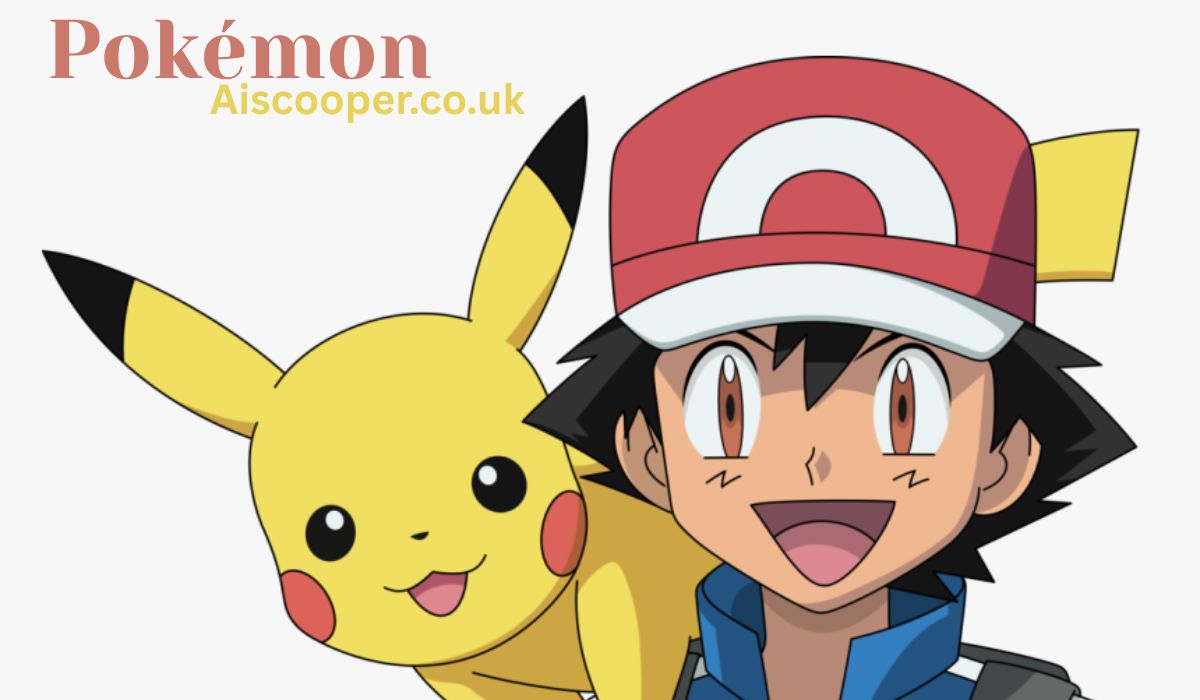
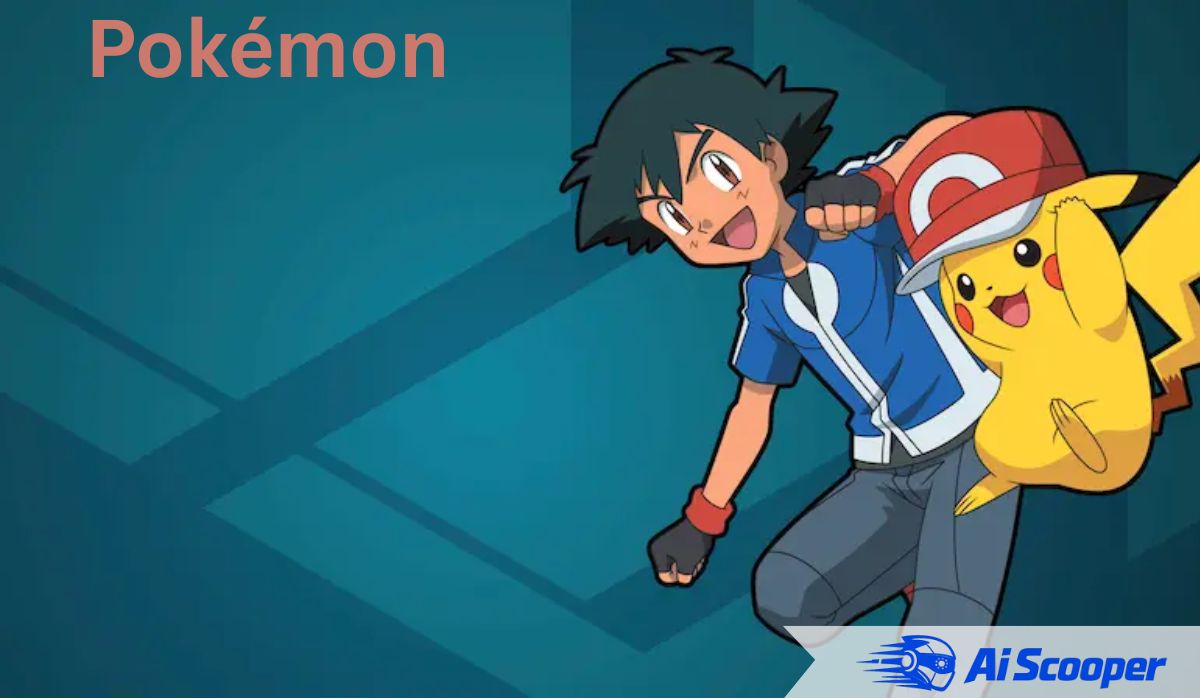
Pikachu became the most recognized character in the series because the design is both simple and powerful. The bright yellow body, red cheeks, and cheerful look made it easy to remember. But design alone was not enough. The character became truly special because of the anime. When viewers watched Ash and Pikachu travel together, they saw more than battles. They saw trust, loyalty, humor, and growth. That relationship gave the brand an emotional center that helped millions of fans connect with the world in a very direct way.
Over time, Pikachu grew beyond the role of mascot and became a symbol of the entire brand. People who never played the games could still recognize it. Parents knew the character, children loved it, and longtime fans stayed attached to it. That rare kind of reach matters because global entertainment brands need a clear identity. Pikachu gave the series a friendly face, a warm tone, and a lasting image that worked across cultures. Few fictional characters in modern pop culture have achieved that level of universal recognition.
The Anime Made the World Feel Human
The anime helped turn a successful game series into a worldwide story that felt personal and emotional. Through Ash Ketchum and his friends, viewers experienced the world in a way that was easy to follow. Gyms, rival battles, tournaments, team villains, travel partners, and emotional goodbyes gave shape to the franchise. People were no longer only reading creature names or looking at battle screens. They were watching friendships grow and seeing characters learn from failure. That made the universe feel alive and relatable.
The animated series also gave many creatures strong personalities. Some seemed playful, some proud, some shy, and some fierce. That helped fans form bonds with creatures they had never even used in a game. It also made the wider world feel richer. Towns had mood, regions had style, and journeys had emotional weight. For many global fans, the anime was the first door into the franchise. Even today, its role remains important because it keeps the human side of the brand strong while inviting new audiences into the adventure.
Facts That Show Why It Still Dominates
A few core facts explain why this franchise has stayed so strong across generations and formats:
- It began in Japan in 1996 as a Game Boy role-playing game.
- Satoshi Tajiri’s childhood insect collecting inspired the original concept.
- Trading with friends was built into the experience from the start.
- Pikachu became the global mascot through the games and anime.
- The trading card game created a second major fan community.
- Each generation introduced new regions, creatures, and mechanics.
- The anime helped bring the brand to homes around the world.
- Competitive battling added depth for serious players.
- Pokémon GO introduced the brand to a huge mobile audience.
- Themes like friendship, curiosity, growth, and teamwork still guide the series.
These facts matter because they show a rare balance. The franchise is old enough to carry nostalgia, but flexible enough to keep attracting new fans. It does not depend on a single format, age group, or trend. Instead, it keeps growing through games, cards, animation, films, merchandise, live events, and mobile experiences. That broad reach is not luck. It comes from a clear identity, smart design choices, and a deep understanding of what fans enjoy most.
Regions, Starters, and a World That Keeps Growing
One of the best parts of the series is how each new generation feels like the next chapter in a long life story. Every region has its own style, mood, history, and culture. Kanto feels classic and foundational. Johto carries a softer and more traditional spirit. Hoenn feels adventurous and full of nature. Sinnoh leans into myth and legend. Unova brought a more modern identity, while later regions added fashion, island life, sports-like stadium battles, and more open-world exploration. This steady growth keeps the franchise fresh without breaking its core identity.
Starter choices also play a huge role in this sense of personal connection. The choice between grass, fire, and water types has become one of the most famous traditions in gaming. It gives each player a different emotional starting point. Some people always choose based on strength, while others choose based on design or instinct. That small decision becomes a lasting memory. In many ways, a region is not only a map. It is a stage where players begin a new chapter, meet new partners, and build a story that feels like their own.
Why Battles Are Deeper Than They First Appear
At first glance, the battle system looks simple enough for almost anyone to understand. Fire beats grass, water beats fire, and electric moves hit water types hard. That easy entry is a big reason new players enjoy the games quickly. Yet beneath those clear rules is a much deeper layer. Move sets, abilities, held items, status effects, speed control, team balance, and battle prediction all shape the outcome. A strong team is not just built on power. It depends on planning, timing, and smart choices.
That hidden depth gave rise to a strong competitive scene. Many fans enjoy studying matchups, breeding for better stats, and creating balanced teams that can handle many threats. Others simply enjoy local battles with friends, where strategy still plays a role even without tournament rules. This balance between simple and deep is one of the series’ best features. It welcomes beginners but still rewards players who want mastery. Few game systems manage to stay this accessible while also supporting serious long-term skill building.
The Trading Card Game and the Collector Mindset
The trading card game added a whole new path into the franchise. Some fans never spend much time with the video games but care deeply about booster packs, rare cards, deck building, and special artwork. Opening a pack creates a feeling of suspense that remains exciting even after many years. A single card can become special because of its design, rarity, market value, or memory. That emotional mix of collecting and competition gave the franchise another strong pillar and helped it reach homes that may never have bought a handheld console.
Collectors also helped turn the brand into a multi-generational experience. Parents who once chased classic cards now introduce modern sets to their children. Some fans collect only favorite creatures, while others search for special illustrations, limited prints, or high-grade cards. That flexibility matters because it allows people to enjoy the series in different ways. The card world offers competition, nostalgia, art appreciation, and long-term collecting value all at once. It is one more reason the franchise feels bigger than a normal game series.
Pokémon GO Proved Reinvention Was Possible
When Pokémon GO arrived, it showed that the series could move into a new era without losing its identity. Instead of staying on consoles or TV screens, the brand stepped into everyday life through mobile phones and location-based play. People walked through parks, city streets, and shopping areas to catch creatures and join local events. For many adults, it was a return to a world they had loved as children. For many new players, it was the easiest first step into the franchise. The idea was simple, but the effect was huge.
The success of the mobile game also proved something bigger. The heart of the franchise was never tied to one device. Its strength came from exploration, collection, surprise, and community. Those ideas worked on the Game Boy, on television, in card albums, and then again on smartphones. Very few entertainment brands adapt this well across generations of technology. That is why the series continues to matter in a fast-changing media world. It can evolve with the times while still feeling familiar.
Conclusion
The biggest fact every fan should understand is that Pokémon became a global success because it always offered more than one kind of joy. It gave players adventure, collectors a goal, viewers an emotional story, and communities a reason to connect. From Satoshi Tajiri’s childhood inspiration to worldwide games, anime, cards, tournaments, and mobile play, the brand kept growing without losing its heart. That heart is built on curiosity, friendship, and the thrill of finding something new.
That is why the franchise remains strong after all these years. It can feel nostalgic to one person and brand new to another. It can be casual, competitive, emotional, or relaxing depending on how someone enters the world. Most of all, it makes people feel that discovery still matters. Whether someone is opening a booster pack, choosing a starter, watching an old episode, or exploring a fresh region, the same promise remains alive: the journey is never really over.
Frequently Asked Questions
What is Pokémon mainly about?
It is mainly about adventure, creature collecting, training, and personal growth through travel, battles, and teamwork.
The deeper appeal comes from friendship, discovery, and the feeling of building a journey that feels personal.
Who created Pokémon?
Satoshi Tajiri created the franchise, and his childhood interest in collecting insects inspired the original idea.
Ken Sugimori and Game Freak also played a major role in shaping the early creatures, art, and game design.
Why is Pikachu so popular?
Pikachu became popular because it has a simple design, a friendly image, and a strong role in the anime.
Its bond with Ash helped fans connect with it emotionally, turning it into the face of the brand.
Why do people love Pokémon cards so much?
Many fans love the cards because they combine collecting, strategy, rare artwork, and the fun of surprise.
They also hold memory value for many people, which makes each card feel personal beyond its gameplay use.
Is Pokémon only for kids?
No, the franchise has always appealed to children and adults because it offers both simple fun and deeper strategy.
Older fans often stay because of nostalgia, collecting, lore, team building, and long-term emotional connection.