

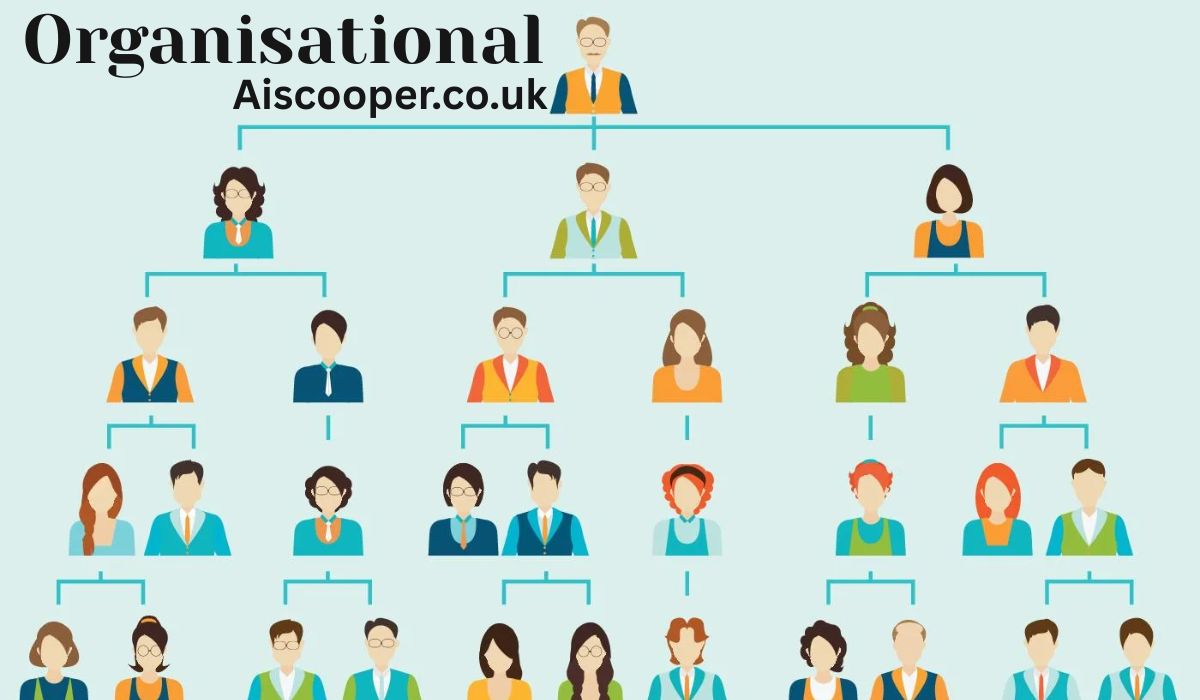
Strong leadership is often described through vision, confidence, and experience, but the real test usually shows up in daily habits. A leader may have smart ideas and a clear plan, yet still struggle if they cannot manage time, people, tasks, and changing priorities in a practical way. That is why organisational strength matters so much. It helps leaders bring order to busy workdays, guide teams through pressure, and turn goals into steady progress. In every field, from business and education to healthcare and public service, leadership works better when it is supported by structure.
Most respected leaders do not become dependable overnight. Their growth often follows a clear path. First, they learn to manage themselves. Then they learn to manage work. After that, they learn to manage people, expectations, and change. This makes leadership feel less like a title and more like a lived story of discipline, growth, and trust. When people think of a reliable manager, team lead, director, or executive, they usually think of someone who stays organized, communicates clearly, and keeps moving forward even when the work becomes complex.
This article explores the skills that help leaders stay effective in real workplaces. It looks at planning, time management, communication, delegation, adaptability, accountability, and team coordination in a clear and useful way. These are the abilities that help leaders stay focused, improve productivity, support employee performance, and create a healthy workplace culture. More importantly, these are the skills that help leaders succeed over time, not just in one good season.
Why Organisational Strength Matters in Leadership
Leadership becomes difficult when everything starts pulling in different directions. A leader may need to answer emails, run meetings, solve team problems, review work, prepare reports, and think about long-term goals, all in the same day. Without a strong system, the day becomes reactive. Important tasks get delayed, communication breaks down, and the team starts to feel uncertain. Organisational strength helps prevent this kind of confusion by giving leaders a way to sort priorities, manage resources, and keep work moving in the right direction.
A well-organized leader also creates calm for others. Team members perform better when they know what is expected, when deadlines are realistic, and when the work process makes sense. Good leadership is not about controlling every detail. It is about creating a clear structure where people can do their best work. That structure supports workflow, collaboration, performance management, and problem-solving. It reduces wasted effort and helps employees focus on results instead of chaos.
Over time, this skill shapes a leader’s reputation. People trust leaders who follow through, prepare ahead, and stay clear under pressure. These traits matter just as much as technical knowledge or industry experience. A leader who can bring focus to meetings, create simple systems, and align people around common goals becomes valuable in any workplace. That is one reason organisational ability is often linked to executive presence, team success, and long-term career growth.
The First Step: Leading Yourself Well
Every strong leader begins by learning how to manage personal responsibilities. Before someone leads a team, they usually have to show that they can handle deadlines, keep promises, stay prepared, and manage their own workload with care. This early stage matters because self-management becomes the base for everything else. A person who cannot organize their own time will struggle to guide others through a busy project or a difficult quarter. Leadership starts with personal discipline long before it appears in a job title.
This stage of growth often looks simple from the outside. It may involve arriving prepared, taking clear notes, tracking action items, and staying consistent in daily work. Yet these habits have a lasting effect. They build trust with managers, peers, and clients. People notice when someone is dependable, detail-aware, and calm during pressure. These qualities often open the door to greater responsibility because they show readiness for more than just individual work.
There is also a deeper lesson in this stage. Leaders who learn to manage themselves well often understand the real value of structure. They do not see planning as a burden. They see it as a way to protect focus and improve decisions. This mindset helps them later when they are responsible for a department, a cross-functional team, or a growing business unit. What begins as personal organization becomes a leadership advantage that supports planning, execution, and long-term stability.
Time Management and Priority Setting
Time management is one of the clearest signs of a capable leader. Leaders face constant pressure from meetings, deadlines, unexpected issues, and competing goals. Without a system for deciding what matters most, they can spend the entire day being busy without moving anything important forward. Effective leaders know how to separate urgent tasks from meaningful ones. They protect time for strategic thinking, project review, team support, and decision-making instead of letting the day get consumed by noise.
Priority setting works hand in hand with time management. A leader who treats every task as equally important creates confusion for the whole team. Clear priorities help people focus on the work that drives results. They also make it easier to say no to distractions, delay low-value tasks, and use available resources more wisely. This improves project flow, operational efficiency, and team confidence because everyone understands what deserves attention first.
Strong leaders do not keep priorities hidden in their heads. They communicate them clearly. When a team knows the top goals, key deadlines, and expected outcomes, work becomes more aligned and less stressful. This kind of clarity reduces duplicate effort and prevents mixed signals. It also supports business growth because time and energy are being used where they matter most. In that way, good time management is not just a personal habit. It is a leadership tool that shapes the performance of the entire team.
Communication and Team Alignment
A leader can create a strong plan, but it will not go far without clear communication. People need to know what the goal is, what success looks like, who owns which task, and how progress will be tracked. When communication is weak, even skilled employees can head in different directions. A leader who speaks with clarity helps the team stay connected to both the daily work and the larger mission. This is one of the most powerful ways to improve workplace performance and reduce confusion.
Good communication is not only about giving instructions. It also includes listening, asking useful questions, and recognizing when a team member needs support. Leaders who listen well often detect issues early. They notice when timelines are unrealistic, when workloads are unbalanced, or when a process is slowing people down. This allows them to fix small problems before those problems become costly setbacks. In modern workplaces, where teams may be remote, hybrid, or spread across functions, this skill matters even more.
Team alignment grows when communication is consistent. Employees feel more secure when leaders provide updates, explain changes, and stay honest about challenges. That honesty builds trust. It also helps people stay engaged because they understand how their work connects to a larger outcome. A team that feels informed is more likely to stay focused, motivated, and ready to collaborate. This is why communication remains one of the strongest leadership skills in any industry or role.
Delegation and Smart Workflow Management
Many leaders struggle with delegation at first. They may think doing everything themselves shows dedication or control. In reality, poor delegation often slows progress, weakens team development, and increases stress. A leader who tries to carry every task becomes a bottleneck. Work piles up, decisions get delayed, and team members are left waiting instead of contributing fully. Good delegation is not a sign of weakness. It is a sign of trust, awareness, and effective management.
Smart delegation begins with understanding people. Leaders need to know who is ready for what kind of responsibility, where each person’s strengths lie, and what support may be needed along the way. Delegation works best when the outcome is clear, the expectations are simple, and follow-up is steady without becoming controlling. This helps employees grow while also keeping work efficient. It gives teams more ownership and helps leaders stay focused on higher-level decisions.
Better workflow management often grows from the same mindset. Strong leaders do not just assign tasks. They think about how work moves from one stage to the next, where delays might happen, and how to make collaboration easier. When leaders improve workflow, they support faster delivery, better accountability, and smoother teamwork. This leads to stronger project outcomes, healthier team dynamics, and a more reliable work process from start to finish.
Habits That Strengthen Daily Leadership
Some leadership skills look impressive in big moments, but daily habits are what truly build long-term success. Strong leaders often rely on small, repeatable actions that keep work under control and reduce avoidable mistakes. These habits support consistency, and consistency is what helps a leader remain dependable even during a busy season.
- Review the day’s top priorities before work begins
- Keep deadlines, notes, and decisions in one reliable place
- Confirm next steps after meetings so nothing gets lost
- Check progress early instead of waiting for a problem to grow
- Block time for focused work and reduce unnecessary interruptions
- Leave space in the schedule for urgent issues without losing the main plan
These habits may sound simple, but they create a major difference over time. They improve concentration, reduce stress, and help leaders stay one step ahead instead of constantly catching up. Teams also benefit because they see a clear pattern of reliability, preparation, and follow-through. This kind of steady behavior is often what separates a respected leader from a merely busy one.
Adaptability, Accountability, and Growth
The workplace rarely stays the same for long. Deadlines shift, customer needs change, budgets move, and new systems appear. That is why adaptability is a key leadership strength. A leader who is too rigid may struggle when the plan needs to change. A leader who is flexible but disorganized may create more confusion than progress. The best leaders combine structure with adaptability. They know the core goal, understand the moving parts, and adjust the plan without losing direction.
Accountability matters just as much. Leaders who own their decisions, admit mistakes, and follow through on commitments create a culture of responsibility. Employees often reflect the standards set by leadership. When leaders stay honest, prepared, and responsible, teams are more likely to do the same. Accountability strengthens trust and improves performance because people know that expectations are real and leadership is not avoiding responsibility when things get difficult.
Growth also depends on reflection. Effective leaders look at what worked, what failed, and what needs to improve. They stay open to better tools, better systems, and better ways to support their teams. This keeps leadership from becoming stale. It also supports career development, workplace resilience, and long-term success. A leader who stays organized, adaptable, and accountable builds more than results. They build a team culture that can survive pressure and keep improving.
Building a Leadership Story That Lasts
Leadership is often remembered through patterns, not speeches. People remember the manager who stayed steady during a hard project, the director who communicated clearly in a tense moment, or the team lead who always seemed prepared when others were overwhelmed. These moments do not happen by accident. They usually come from years of building habits that support structure, reliability, and good judgment. In that sense, leadership has a biography of its own. It is written through daily choices, repeated actions, and earned trust.
The leaders who leave a lasting impression are rarely the loudest people in the room. They are often the ones who make work easier to understand, easier to manage, and easier to complete well. They bring clarity to unclear situations. They help others stay focused when pressure rises. They make people feel supported without losing standards. These qualities are deeply valuable because they combine strong operations with strong human understanding.
This is why organisational strength matters so much for long-term leadership success. It supports planning, delegation, communication, accountability, and adaptability in a way that helps both people and performance. For leaders at any stage, the goal is not to become perfect. The goal is to become steady, clear, and dependable. Those qualities build trust, and trust is one of the most powerful assets any leader can earn.
Final Thoughts
Leadership success does not come only from talent or confidence. It grows through habits that help a person manage time, guide people, solve problems, and keep work moving in the right direction. Organisational strength sits at the center of that process. It gives leaders the structure needed to turn ideas into action and action into measurable progress. It also helps teams feel clear, supported, and ready to perform at a high level.
The most effective leaders are usually the ones who stay prepared, communicate well, delegate wisely, and adapt without losing control. They understand that good leadership is not about doing more of everything. It is about doing the right things with purpose and consistency. These qualities improve productivity, support workplace culture, and help teams navigate both routine work and major change.
For anyone who wants to grow as a manager, supervisor, executive, or team lead, these skills are worth building with care. They shape daily performance, long-term trust, and career growth in a meaningful way. In the end, a leader’s success is often measured by how well they bring clarity, direction, and steady progress to the people who depend on them.
Frequently Asked Questions
1. Why are organisational skills important for leaders?
They help leaders manage time, people, deadlines, and goals with more control and less confusion.
This creates better teamwork, smoother workflows, and stronger results across the workplace.
2. What is the first leadership skill someone should improve?
Self-management is often the best place to start because it builds discipline and reliability.
When leaders can manage their own work well, they are better prepared to guide others.
3. How does delegation help a team succeed?
Delegation spreads responsibility in a smart way and prevents one person from becoming a bottleneck.
It also helps team members grow, build confidence, and take greater ownership of their work.
4. Can better organization reduce stress at work?
Yes, clear systems and priorities reduce confusion, missed tasks, and last-minute pressure.
When work feels more structured, teams usually feel calmer, more focused, and more productive.
5. How can a leader become more organized over time?
They can build simple habits like planning the day, tracking tasks, and reviewing progress often.
Small consistent actions usually create lasting improvement in leadership and team performance.