

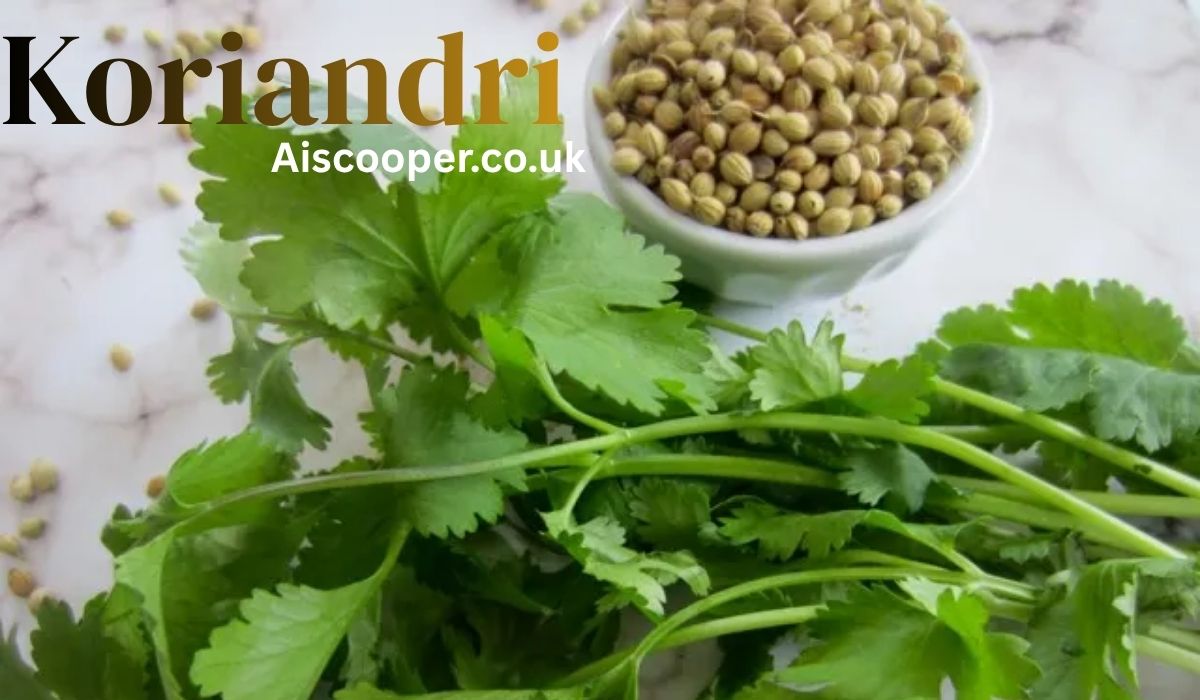
Many ingredients create confusion in the kitchen, but few do it quite like Koriandri, coriander, and cilantro. People see these names on spice jars, fresh herb bundles, food labels, and recipes, then assume they must be three different things. In reality, the story is much simpler and much more interesting. These words are closely connected, and in most cases they point back to the same plant, just in different forms or under different naming traditions.
That naming difference matters because it changes how people shop, cook, and understand recipes from around the world. A home cook in the United States may read “cilantro” and picture fresh green leaves, while a cook elsewhere may use “coriander” for both the herb and the seeds. The result is a lot of mix-ups, especially for beginners who are trying to follow a recipe exactly.
This article explains the difference in a clear and useful way. It covers the plant itself, the meaning behind each term, the flavor of the leaves and seeds, the role these ingredients play in global cooking, and the easiest way to know which form a recipe is asking for. By the end, the confusion around this herb will feel much easier to handle.
Table of Contents
ToggleThe Plant Behind the Names
At the center of this topic is a single herb plant known around the world for its fresh leaves and aromatic seeds. This plant belongs to the parsley family, and every major part of it has a place in cooking. The leaves are tender and bright, the stems are flavorful, the seeds are warm and fragrant, and in some cuisines even the roots are used for deeper taste. That is why it shows up in so many dishes across Asia, Latin America, the Middle East, and Europe.
The confusion begins because different regions use different names for different parts of the same plant. In American English, the fresh leaves are usually called cilantro, while the dried seeds are called coriander. In many other places, the entire plant may be called coriander, and the leaves may be labeled coriander leaves. That small language difference is the main reason so many shoppers think they are dealing with separate herbs.
When people use the word Koriandri, they are generally referring to a variation of the coriander name rather than a different ingredient. It is best understood as part of the same family of terms, not as a separate herb with separate uses. For practical kitchen use, the key point is simple: one plant can carry multiple names depending on where you are and which part of the plant you mean.
Why the Names Sound Different but Connect to the Same Ingredient
Food language often changes as ingredients move across countries and cultures. That is exactly what happened here. The term cilantro became familiar in the United States through Spanish-language influence and the popularity of Mexican and Latin American food. Coriander stayed common in British English and in many international cooking traditions. Because both names remained active, people began hearing two different words for one plant and assumed they were not related.
This is not just a language lesson. It affects real cooking choices every day. Someone may buy coriander powder when a recipe needs fresh chopped leaves. Another person may skip a recipe entirely because they do not know whether cilantro and coriander belong in the same dish. Once the naming system is clear, recipes become far less intimidating and ingredient shopping becomes much easier.
Another reason the confusion lasts so long is that the two forms of the plant do not taste the same. The leaves are bright and fresh, while the seeds are warm and lightly citrusy. Since they bring very different results in food, many people naturally assume they must come from different plants. In truth, they are simply two sides of the same ingredient, each with its own role.
Cilantro: The Fresh Green Leaves
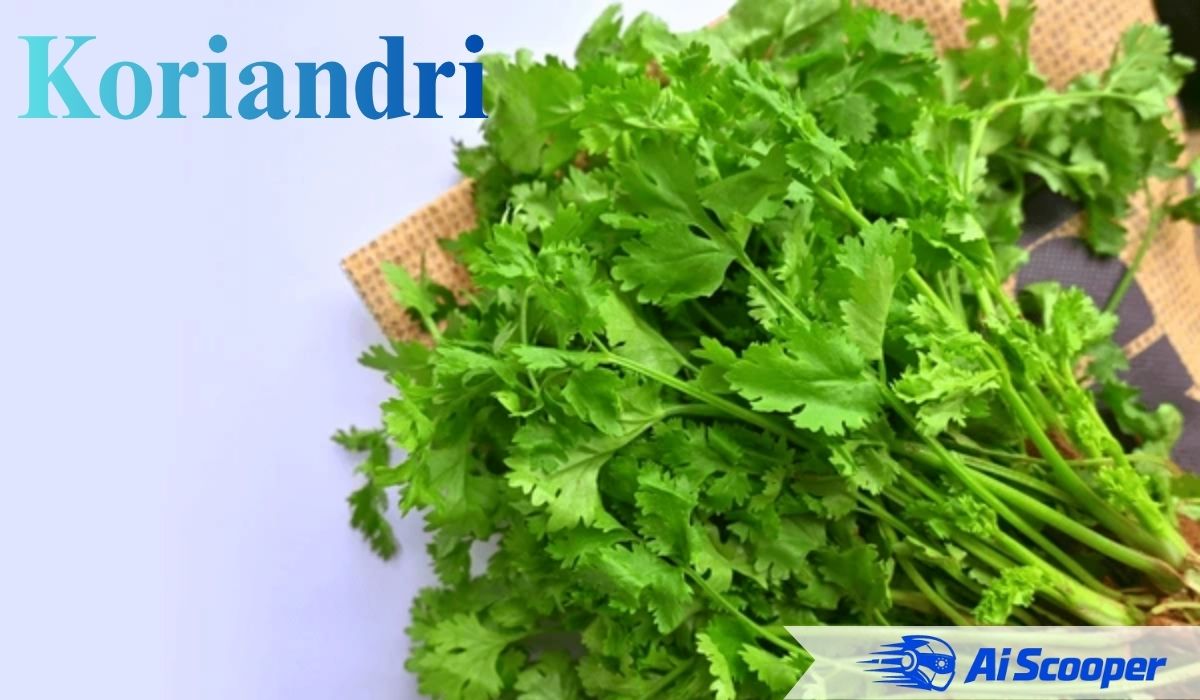
Cilantro is the leafy green part of the plant. It is soft, delicate, and usually used fresh rather than dried. The taste is often described as lively, citrus-like, grassy, and slightly peppery. It adds freshness to rich foods and gives a clean finish to spicy or savory dishes. This is why it appears so often in salsa, chutney, noodle bowls, soups, tacos, grilled meats, curries, and rice dishes.
In most recipes, cilantro is added near the end rather than cooked for a long time. Heat can dull its bright character, so cooks often chop it fresh and scatter it over the finished dish. The stems can be used too, especially in sauces and marinades, because they carry a strong herbal flavor. That makes the fresh herb both practical and flavorful, especially for cooks who want a final layer of freshness without making a dish heavy.
Cilantro is also one of the most debated herbs in the world. Some people find it refreshing and essential, while others say it tastes like soap. This strong reaction is one reason the herb gets so much attention. Whether someone loves it or avoids it, cilantro has a very distinct identity in cooking and is hard to replace when a recipe truly depends on its fresh green lift.
Coriander: The Seeds and Ground Spice
Coriander, in the way many U.S. cooks use the term, refers to the dried seeds of the same plant. These seeds look very different from the leaves, and they also taste very different. Instead of being sharp and green, they are mild, warm, slightly sweet, and gently citrusy. Once toasted or ground, they release a soft spice aroma that blends beautifully with cumin, black pepper, turmeric, fennel, ginger, garlic, and chili.
This spice is widely used in curries, dry rubs, roasted vegetables, pickles, sausages, soups, stews, and seasoning blends. Ground coriander gives food roundness and balance rather than sharp brightness. It often works in the background, helping tie a dish together without taking over. That is why it is such a dependable pantry spice in many homes around the world.
Whole seeds and ground powder are both useful, but they behave a little differently. Whole seeds last longer and hold their aroma better over time. Ground spice is easier to use quickly but can lose strength faster. Many cooks prefer to toast the seeds lightly and grind them just before using them. That simple step can make the spice smell richer and taste fuller in everyday cooking.
Koriandri in Everyday Cooking and Recipe Reading
For most home cooks, the real challenge is not the plant itself. The challenge is knowing what a recipe writer means when one of these names appears on the page. This is where context becomes more important than the label. If a recipe tells you to chop, scatter, garnish, or stir something in at the end, it almost always means the fresh leaves. If it tells you to grind, toast, or mix a spice into a marinade, it almost always means the seeds.
That is especially useful when dealing with recipes from different parts of the world. A U.S. recipe usually separates the terms clearly by saying cilantro for leaves and coriander for seeds. A British, Indian, or international recipe may use coriander for the plant more broadly, then clarify with phrases like coriander leaves or coriander seeds. When cooks learn to read these small clues, they make far fewer mistakes in the kitchen.
A quick way to remember the difference is this:
- Koriandri points to the same herb family of names.
- Cilantro usually means the fresh leaves and tender stems.
- Coriander often means the dried seeds or ground spice.
- Coriander leaves often means cilantro in many global recipes.
- Fresh garnish suggests leaves, while toasted spice suggests seeds.
- Bright flavor belongs to the herb, while warm flavor belongs to the spice.
That simple pattern solves most of the confusion. Once a cook understands which part of the plant is being used, the name becomes much less stressful and the ingredient becomes much easier to enjoy.
Flavor Differences That Matter in Real Dishes
The leaves and seeds do not just look different. They create different experiences in food. Fresh cilantro cuts through richness and wakes up a dish that feels heavy, oily, or spicy. It works especially well with lime, tomato, onion, garlic, yogurt, lentils, beans, avocado, and grilled meat. It adds freshness in the same way a squeeze of citrus can make a meal feel lighter and more complete.
Coriander seed, by contrast, brings depth and comfort. It helps savory dishes feel more rounded and layered. It works beautifully in spice blends, roasted foods, sauces, and braised dishes because it builds flavor slowly. It does not jump out in the same way fresh herbs do. Instead, it supports the whole dish and gives the final taste a balanced, mellow finish.
This difference is why the two forms should not usually be swapped. Fresh herb and dry spice perform separate jobs in cooking. A taco topping made with ground coriander will not feel fresh, and a roasted spice rub made with chopped cilantro will not deliver the same body. Understanding that contrast helps people use each ingredient with more confidence and far better results.
A Global Ingredient With Many Culinary Identities
One reason this plant remains so popular is that it fits naturally into many food cultures. In South Asian cooking, coriander powder and fresh leaves may both appear in the same meal, one for cooking depth and the other for final freshness. In Mexican dishes, cilantro is often essential in salsas, tacos, soups, and rice. In Middle Eastern cooking, coriander seed appears in spice blends, meat dishes, and fragrant stews. In Southeast Asian food, leaves, stems, and roots can all matter.
This global reach gives the ingredient a kind of food identity that feels rich and layered. It is not limited to one cuisine or one flavor profile. It can feel earthy, bright, warm, or clean depending on how it is used. That flexibility explains why cooks in so many regions kept it close and built traditions around it.
It also explains why people searching for Koriandri often want more than a quick definition. They want to understand why a single herb appears under so many names and why it plays such different roles. The answer lies in the plant’s long culinary life. It has traveled, adapted, and stayed useful in kitchens that care about fresh herbs, balanced spices, and flavor that feels alive.
Shopping, Storing, and Using It Well at Home
When shopping, the easiest rule is to match the product to the form you need. If you want a fresh topping or herb for finishing, buy leafy cilantro with bright green stems and no slimy spots. If you want a spice for seasoning or cooking, buy coriander seeds or ground coriander from the spice section. This sounds obvious, but it saves many cooking mistakes before they happen.
Fresh leaves should be treated like other tender herbs. They do best when kept cool and used fairly soon. Some cooks place the stems in a glass with a little water, while others wrap them lightly and refrigerate them. The seeds are far easier to store and last much longer in the pantry. Whole seeds keep their aroma better than pre-ground spice, so they are a smart choice for cooks who want stronger flavor over time.
At home, both forms can earn a regular place in everyday meals. The herb works well in salad dressings, chutneys, soups, eggs, roasted vegetables, and grain bowls. The spice works beautifully in dry rubs, stews, curries, and roasted dishes. Using both forms in different ways gives a cook more control over freshness, warmth, and balance without needing complicated ingredients.
Final Thoughts
The difference between Koriandri, coriander, and cilantro is easier than it first appears. They are tied to the same plant, but the names change according to region and usage. In most American kitchens, cilantro means the fresh green leaves and coriander means the seeds or ground spice. In many global recipes, coriander can refer to the whole plant, with added words explaining whether the writer means the leaves or the seeds.
That naming split becomes much less confusing once you connect each word to the part of the plant. The leaves bring brightness, freshness, and a lively finish. The seeds bring warmth, balance, and soft spice depth. Both are useful, both are flavorful, and both belong to one of the most versatile ingredients in the kitchen.
So when you see Koriandri, coriander, or cilantro in a recipe, there is no need to guess blindly. Read the context, think about whether the dish needs a fresh herb or a dry spice, and let the recipe method guide you. Once you understand that simple pattern, the ingredient stops being confusing and starts becoming one of the easiest ways to build better flavor at home.
Frequently Asked Questions
1. Is Koriandri different from coriander?
No, it is generally treated as a variation of the coriander name rather than a separate herb.
In cooking, the meaning still depends on whether the recipe is talking about leaves or seeds.
2. Are cilantro and coriander from the same plant?
Yes, they come from the same herb plant used in many global cuisines.
Cilantro usually means the leaves, while coriander often means the seeds.
3. Can I use cilantro instead of coriander powder?
Usually not, because they give very different flavors and textures in food.
Fresh leaves add brightness, while the spice adds warmth and depth.
4. Why do some people dislike cilantro?
Some people experience its flavor very differently and describe it as soapy or harsh.
That strong reaction is common and helps explain why opinions on it are divided.
5. Which form is better for cooking every day?
Both are useful because they do different jobs in the kitchen.
Use the leaves for freshness and the seeds for balanced spice flavor.