

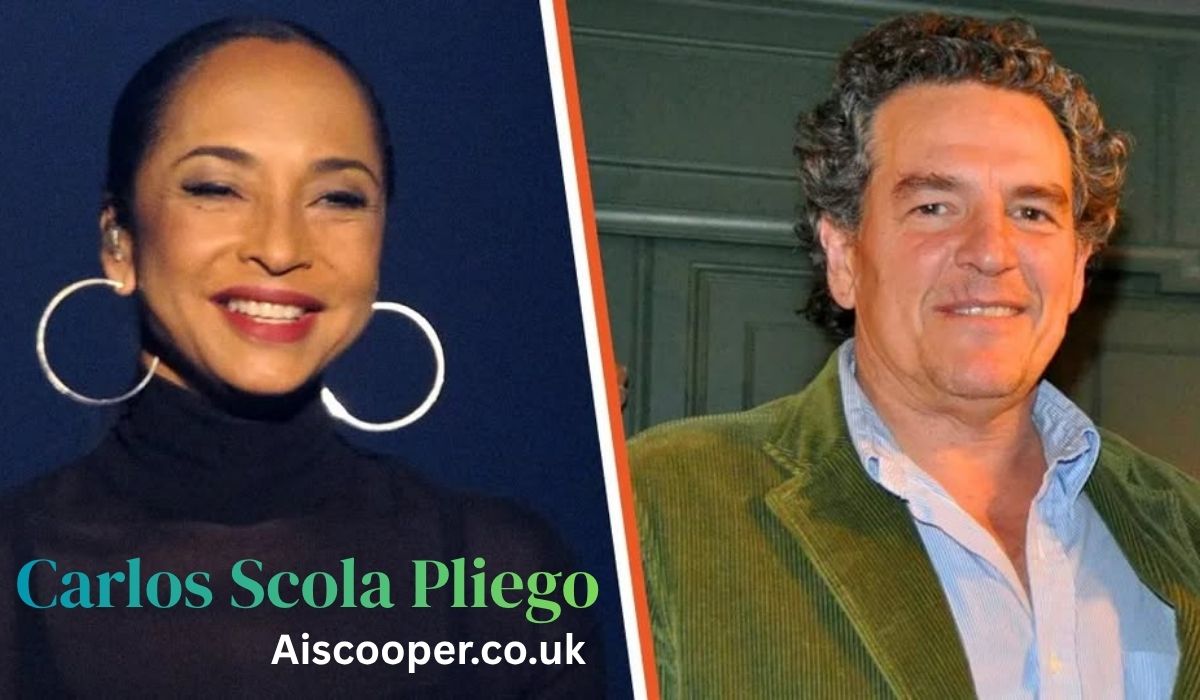
Carlos Scola Pliego is a name that often appears in online searches because of both his creative work and his connection to singer Sade Adu. Even so, he is not a typical public celebrity. He is better understood as a film professional whose career developed mostly behind the camera, where the work matters more than fame. That alone makes his story interesting for readers who want more than surface-level celebrity coverage.
Part of the appeal around his biography comes from contrast. On one side, there is steady public curiosity. On the other, there is a fairly private life with only a limited amount of fully verified information. Because of that, the best way to understand his background is to focus on the details that are clearly documented: his professional film credits, his place in Spanish audiovisual work, and the chapter of his life that linked him to one of the most recognized voices in modern music.
This guide looks at his background, film career, public identity, and lasting interest around his name. Instead of repeating gossip, it centers on the parts of his story that are most useful to readers: who he is, what kind of work he did, and why his name still gets attention today.
Early Background and Spanish Roots
Carlos Scola Pliego is generally identified as a Spanish film figure, with Madrid closely tied to his life story. A major Spanish newspaper described him as a man from Madrid who was working in the audiovisual field during the 1980s. That setting matters because Spain’s screen industry at the time was active, creative, and increasingly connected to international productions, television work, and music-related visual projects.
Unlike many modern public personalities, he did not build his name through interviews, self-promotion, or a constant media presence. There is no broad, widely verified archive of personal background details such as a confirmed date of birth, full schooling history, or long personal profiles in the press. That does not make his story less meaningful. It simply means a responsible biography has to be built from reliable career records and reputable reporting rather than assumption.
That limited public footprint has shaped how people see him today. Readers searching for him are usually trying to answer a few simple questions: Was he a director, what films did he work on, and how did he become linked to Sade Adu? Once those pieces are set in place, his profile becomes clearer. He was not famous because he chased attention. He became interesting because his professional life and personal life crossed paths with notable cultural moments.
A Career Built in Film and Television
The strongest public evidence about his career comes from film and television credits. IMDb lists him under Carlos Scola, also tied to Carlos Scola Pliego, and connects him with projects including Ngira: Gorilas en la montaña from 1988, Donde termina el corazón from 1989, and Goal II: Living the Dream from 2007. These titles show that his work was real, recorded, and spread across more than one period.
He is also credited on the 1985 television miniseries Christopher Columbus as assistant director for Spain. That specific credit is valuable because it points to a serious working role inside a large production environment. Assistant directors are central to production flow. They help coordinate schedules, support the director, manage timing, and keep the set moving. It is demanding work that requires strong organization and a practical understanding of filmmaking.
This kind of career path suggests a professional whose strengths were built on craft and execution rather than publicity. Many people in film build long, respected careers without becoming household names. His record fits that pattern. He appears to have been part of the working creative structure that brings screen projects to life, even if the public did not always notice his name at the time.
Documentary Work and Creative Range
One of the most recognized titles linked to him is Ngira: Gorilas en la montaña. Even the title suggests a documentary or nature-focused project, and that gives useful insight into the kind of work he was involved in. Documentary filmmaking calls for patience, visual judgment, and the ability to shape real-life material into a clear story. It is a very different creative challenge from scripted drama, and that makes the credit especially meaningful.
His association with Donde termina el corazón adds another dimension to his profile. Together, these titles suggest that he was not locked into one narrow type of screen work. Instead, his career appears to show flexibility across documentary-style material and broader audiovisual storytelling. That range matters because it points to someone who understood both technical production and narrative structure.
For readers interested in film careers, this is one of the most useful ways to understand him. He was not just “someone connected to a celebrity.” He had a working identity inside the film world. The public record may be limited, but the pattern of credits still supports the view of a professional who contributed meaningfully behind the scenes.
Life Behind the Camera
A major reason his story stands out is that it reflects a side of the entertainment business that many readers rarely stop to think about. Films, documentaries, and television productions are not created by stars alone. They rely on assistant directors, production workers, coordinators, and collaborators who handle the complex work that lets the visible parts of a project succeed. His career belongs to that important but less celebrated part of the industry.
This also helps explain why information about him can feel thin or scattered. People who spend most of their careers behind the camera usually leave a smaller media trail. They may have strong credits and real experience, but fewer interviews, fewer magazine profiles, and less personal branding. In earlier decades, that was even more common than it is now. Professional reputation often traveled through the industry itself rather than through public image building.
That makes his biography quietly useful. It reminds readers that meaningful entertainment careers are not always public-facing. Some are built through steady work, strong collaboration, and long stretches of privacy. His path seems to fit that model. He worked, contributed, and remained mostly outside the spotlight unless public attention came looking for him.
His Connection to Sade Adu
Carlos Scola Pliego is most widely remembered today because of his relationship with Sade Adu. According to El País, he was part of the production environment around the music videos tied to Sade’s 1985 album Promise, working as an assistant director on three videos. That professional link appears to have become a personal relationship, one that later developed into marriage.
This relationship changed how the public saw him. Before that, he was a film professional with credits and industry work. Afterward, his name became part of celebrity biography searches tied to one of the most admired singers of her era. That shift is important because it explains why many people first encounter his name through articles about Sade rather than through film databases or production history.
Still, it would be too simple to define him only through that connection. The stronger and more accurate view is that the relationship increased public visibility around a man who was already working in the audiovisual world. His marriage to a global artist did not invent his career. It just made more people curious about the person behind the credits.
Marriage, Separation, and Privacy
El País reports that Carlos Scola Pliego and Sade married in October 1989 in Spain. The same account places him beside her during an important personal and artistic period, when she was living in Madrid and moving through a quieter chapter away from intense British media pressure. That context makes their marriage more than a celebrity footnote. It places him inside a meaningful phase of her life and career.
The marriage, however, did not last. Reporting says Sade left the relationship after about a year, while the divorce itself was finalized in 1995. Those dates are among the clearest confirmed details in the public record. Yet the reasons behind the split were not fully made public, and that privacy has remained intact for decades.
That privacy matters. In stories like this, public curiosity often pushes beyond what is actually known. But the more respectful and trustworthy approach is to stay with the facts that can be confirmed. His connection to Sade is a major reason people search for him, but it is still only one chapter in a larger life that also includes real creative work and a long-standing preference for staying out of view.
Later Credits and Long-Term Professional Trace
One detail that often gets overlooked is his association with Goal II: Living the Dream from 2007. That credit matters because it suggests that his work life was not limited to the late 1980s period when most celebrity-related interest around his name began. It points to a professional presence that extended further than many casual readers may expect.
While there is no large public record of later interviews, public appearances, or personal statements, the presence of later credits supports the idea that he maintained a connection to the screen industry over time. Some film professionals remain active in ways the general public barely notices. Their names appear in records, but they do not seek a public platform around those roles.
That seems consistent with the larger pattern of his biography. Rather than using fame-adjacent attention to become a media figure, he appears to have remained largely private. That choice gives his story a certain dignity. It suggests someone more committed to work and personal boundaries than to using public attention for visibility.
Why His Name Still Matters
The continued interest in Carlos Scola Pliego comes from several directions at once. Some readers are interested in Sade’s personal history. Others are looking for information about Spanish filmmakers, assistant directors, or documentary-related credits from the 1980s and beyond. His name sits at the crossing point of celebrity biography, film history, and media curiosity, which helps explain why it keeps resurfacing.
There is also a timeless pull to stories about private people connected to major cultural figures. In an era where so much is shared publicly, a person who remains mostly out of reach can feel even more interesting. That sense of mystery adds to the appeal, but it should not replace the facts. The clearest portrait is still the simplest one: a Spanish film professional with documented screen credits and a past marriage that brought his name into wider public memory.
For many readers, that is enough to make the story worth knowing. He represents the kind of person who helps shape creative industries without becoming their loudest face. That alone gives him a place in entertainment and biography writing, even if the public record around him remains selective and incomplete.
Conclusion
Carlos Scola Pliego remains an interesting figure because his story combines real film work with a lasting connection to music history. He was part of Spanish audiovisual production, held behind-the-scenes roles that require skill and discipline, and became more widely known through his marriage to Sade Adu. Those two sides of his public identity continue to shape how readers search for and understand him today.
What stands out most is not noise or scandal, but restraint. He appears in the record as a working creative professional who never turned himself into a constant public personality. That gives his biography a grounded quality. He is remembered both for what he did and for the famous orbit he briefly shared, but the available facts show that his own career deserves recognition too.
In the end, his profile is a reminder that not every meaningful entertainment story belongs to the most visible person in the room. Sometimes the most interesting lives belong to the people who built things quietly, stayed mostly private, and still left enough of a trace for others to keep asking who they were and what they contributed.
Frequently Asked Questions
Who is Carlos Scola Pliego?
Carlos Scola Pliego is a Spanish film professional linked to directing, assistant direction, and screen production work.
He is also widely known because of his former marriage to singer Sade Adu.
What is Carlos Scola Pliego known for?
He is known for film credits including Ngira: Gorilas en la montaña, Donde termina el corazón, and Goal II: Living the Dream.
Many readers also know his name from his personal connection to Sade.
Was Carlos Scola Pliego married to Sade?
Yes, he married Sade Adu in October 1989 in Spain.
Their divorce was finalized in 1995 after the relationship had already ended.
Did he work behind the camera?
Yes, public credits show that he worked in behind-the-scenes roles in film and television.
He was credited as assistant director for Spain on the 1985 miniseries Christopher Columbus.
Why is there limited information about him?
He appears to have lived mostly as a private film professional rather than a media-facing celebrity.
That means verified public details are fewer than they are for actors or major stars.