

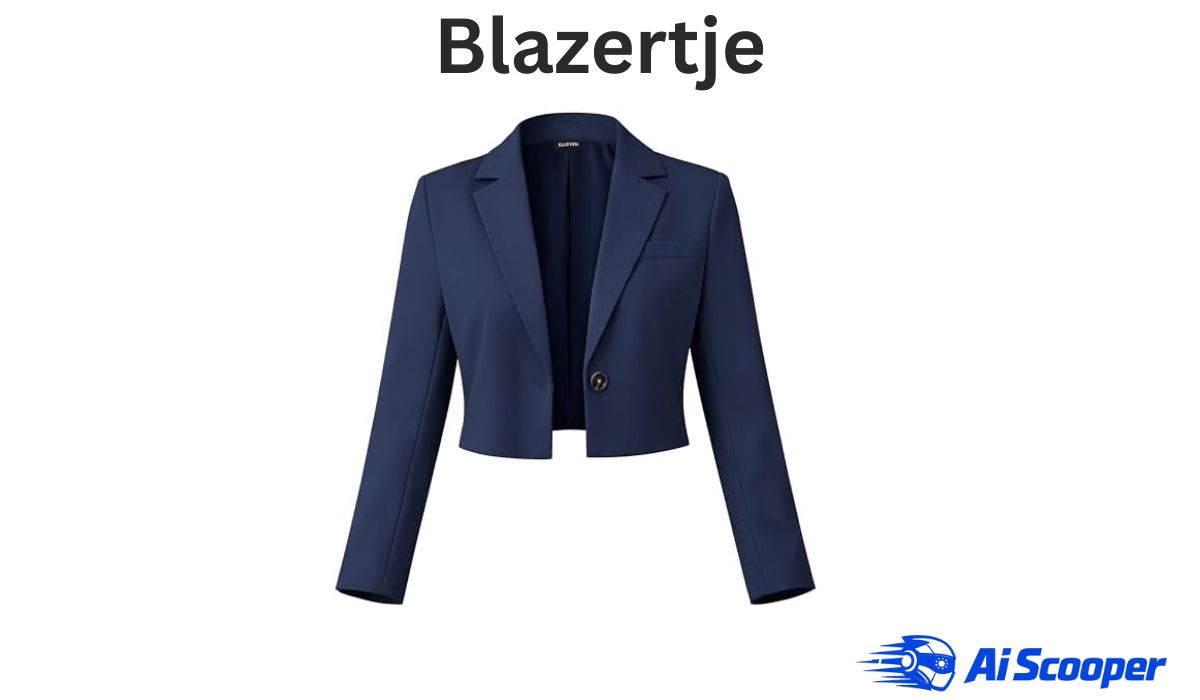
A Blazertje has a way of entering a wardrobe quietly and then becoming one of the most useful pieces in it. At first, it may look like a simple short blazer or a neat tailored jacket, but once people start wearing it, they often realize how much it can do. It can sharpen a plain outfit, soften a formal one, and help everyday clothes look more styled without feeling stiff. That is why this piece has become such a strong favorite for modern dressing.
Its appeal also comes from how easily it fits real life. Most people do not dress for only one setting during the day. They move from work to lunch, from errands to dinner, or from a casual morning to a more polished evening plan. A cropped blazer, fitted jacket, or lightweight outer layer supports that kind of lifestyle beautifully. It adds shape, balance, and style while still feeling easy to wear, which is exactly what makes it a standout in a practical wardrobe.
Why This Tailored Jacket Works So Well
The strength of this piece comes from its balance. It borrows the smart shape of classic tailoring, but it often feels lighter, more relaxed, and easier to style than a full formal blazer. That means it can sit comfortably between polished and casual fashion. For someone building a wardrobe that works across many settings, that balance matters. It allows one item to serve many roles without looking out of place.
It also works well because it flatters many outfit shapes. When worn with high-waisted jeans, straight-leg trousers, midi skirts, or even simple dresses, it helps define the upper body and creates a clean line through the outfit. This makes the full look feel more intentional. Even very simple pieces like a white tee, tank top, knit top, or soft blouse become more refined when they are styled under a smart layer with structure.
A second reason for its popularity is versatility across age and personal style. Some people wear it in a minimal way with neutral colors and simple loafers. Others bring it into a more feminine look with dresses, slim belts, and delicate jewelry. It can also work in a city wardrobe with denim, ankle boots, and sharp accessories. The same jacket can feel classic, modern, soft, or strong depending on what surrounds it.
How to Style It for Casual Looks
Casual outfits often need one piece that gives them shape. Jeans, cotton tops, relaxed knits, and sneakers are comfortable and timeless, but without a stronger layer, they can sometimes feel unfinished. This is where a neat short blazer changes the mood. It gives a simple outfit some structure, adds polish, and makes the whole look feel more considered while still staying relaxed and wearable.
A great daytime outfit can start with straight-leg jeans, a plain white T-shirt, and clean sneakers. Add your jacket on top, and the result feels fresh, modern, and easy. Another option is to wear it with ankle-length pants, a striped knit top, and ballet flats. These combinations work because they keep the base simple and let the outer layer do the styling work. Casual style is not about looking careless. It is about looking comfortable and put together at the same time.
The best casual looks usually stay light and balanced. Choose breathable fabrics like cotton blends or soft woven materials, and avoid stuffing the outfit with too many statement items. A crossbody bag, a watch, or small gold hoops are often enough. When the rest of the outfit is calm, this tailored piece has room to stand out in the right way and create that effortless everyday fashion people are often trying to achieve.
How to Wear It for Smart and Polished Outfits
When the goal is to look more refined, the same jacket becomes even more valuable. Instead of denim, pair it with tailored trousers, cigarette pants, or a sleek midi skirt. Instead of a simple tee, choose a fitted knit, satin shell, or clean blouse. These changes shift the entire mood without making the look feel heavy or dated. The result is polished but still easy, which is what many people want from modern smart dressing.
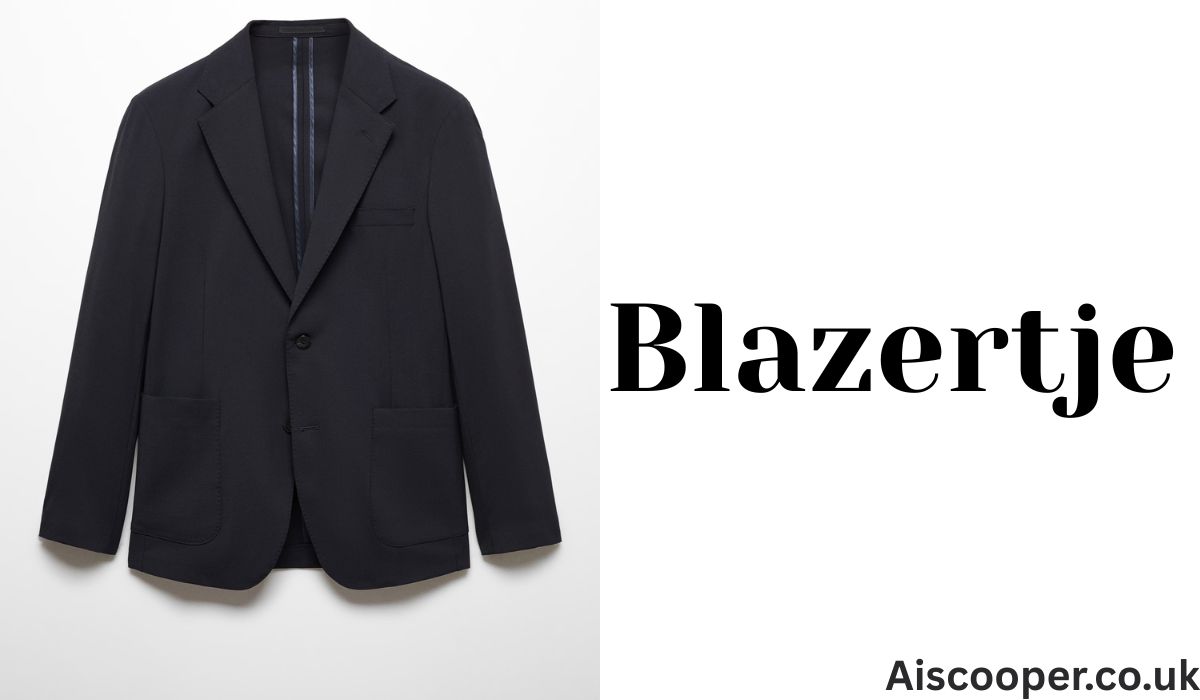
This kind of outfit works especially well for office wear, meetings, dinner dates, and events that call for a neat appearance without requiring a full suit. A cream layer over black trousers and a fitted black top looks timeless and sharp. A navy version worn with white pants and loafers feels crisp and professional. A soft beige option over a black dress can move smoothly from daytime workwear to evening plans with almost no effort.
Smart styling depends on clean lines more than anything else. Shoes should support the look, not distract from it. Pointed flats, low heels, ankle boots, or polished loafers are strong choices. Jewelry should be simple and intentional. One necklace, a classic watch, or small earrings often do more than a pile of extras. The full effect should feel calm, neat, and confident rather than busy or overdone.
Fit, Fabric, and Color Choices That Make a Difference
Finding the right fit matters more than chasing trends. A piece that is too tight can pull across the shoulders and lose its clean shape. One that is too loose may look boxy and less flattering, especially in outfits where you want some definition. The best fit usually follows the body lightly, leaves room for movement, and sits well at the shoulder. Sleeve length and jacket length also affect the final result, so it helps to try shapes that suit your own proportions.
Fabric changes the mood as much as fit does. Linen blends and lightweight cottons are ideal for spring and warm days because they feel airy and easy. Ponte knit and soft structured blends are useful for all-day wear because they offer comfort with shape. Heavier textures can work in cooler weather, especially when layered with fine knits or worn under a long coat. A wardrobe piece becomes more useful when the fabric matches the season and the way you actually live.
Color is where many people either simplify their styling or make it harder than it needs to be. Neutral shades such as black, gray, cream, taupe, navy, and beige are the easiest to wear because they mix naturally with denim, skirts, dresses, and trousers. Soft earth tones feel warm and elegant in fall, while pale shades and cool neutrals feel fresh in spring. If you want one piece that works with almost everything, start with a timeless tone and build your looks around it.
Outfit Building Tips for Everyday Use
Putting together a strong outfit becomes easier when you follow a few simple styling rules instead of overthinking every detail. The goal is not to create something complicated. The goal is to create balance, which is what makes any outfit look polished and natural.
- Pair structured outerwear with soft basics like T-shirts, tanks, fine knits, or simple blouses.
- Match shorter cuts with high-waisted jeans, wide-leg pants, skirts, or tailored shorts for better balance.
- Keep shoes aligned with the outfit mood, using sneakers for relaxed days and loafers or boots for polished looks.
- Choose one leading piece and let the rest of the outfit stay clean, easy, and wearable.
These small rules can make a big difference in daily dressing. They help you repeat one favorite jacket in fresh ways without making every look feel the same. Once you understand the shape and mood that suit you best, outfit building becomes faster, simpler, and much more enjoyable.
Common Styling Mistakes to Avoid
One of the biggest mistakes people make is layering bulky clothing underneath a fitted outer piece. Thick sweaters or oversized tops can ruin the clean line and make the outfit feel uncomfortable. If you want warmth, it is usually better to choose a fine knit or a slim turtleneck that sits neatly under the jacket. This keeps the shape sharp and helps the look stay polished from every angle.
Another common issue is poor proportion. A short fitted layer may not work as well with low-rise bottoms, while a longer top under it can create a messy line. The cleanest looks usually come from balance. High-waisted pants, fitted dresses, midi skirts, and tops that tuck in easily often create the best base. When the lower half supports the upper shape, the outfit feels complete and flattering.
It is also easy to over-style a strong wardrobe piece. Too many prints, too much jewelry, or very loud accessories can compete with its tailored beauty. The smartest approach is to let the jacket do part of the visual work. Keep the rest of the outfit simple enough that the final result feels fresh and well-edited rather than crowded or confusing.
Making It Part of Your Personal Style Story
The most useful wardrobe pieces are the ones that adapt to the person wearing them. This is why so many people keep coming back to a well-cut short blazer season after season. It can belong to a minimal wardrobe filled with neutrals and clean lines, but it can also sit easily in a softer, more feminine closet. It does not ask you to change your whole style. It simply strengthens what is already there.
For someone who loves simple fashion, it may become the top layer worn over black pants, white tops, and loafers. For someone drawn to more romantic style, it may sit over a dress with heeled boots and delicate earrings. For a more modern street-inspired look, it can work with relaxed denim, a fitted tank, and sleek trainers. This flexibility is why it often becomes more than just an item of clothing. It becomes part of a person’s visual identity.
There is also something personal about the way this kind of piece grows with a wardrobe. At first, it may be bought for one event, one season, or one need. Over time, it becomes the answer to many outfit questions. It shows up on busy mornings, important afternoons, casual weekends, and evenings out. That quiet usefulness is often what turns a good fashion item into a lasting favorite.
Conclusion
A Blazertje stands out because it offers what most people truly want from fashion: ease, versatility, and polish. It can dress up relaxed basics and soften more formal clothing, which makes it one of the smartest layers to keep in a wardrobe. From denim and sneakers to trousers and loafers, it works across many styles without losing its shape or charm.
The best way to wear it is to focus on fit, keep the base outfit simple, and choose combinations that feel balanced on your body. When styled well, this tailored layer does not just complete an outfit. It improves it. That is why it continues to hold its place as a trusted piece for casual days, smart moments, and everything in between.
Frequently Asked Questions
1. What should I wear under a Blazertje?
A fitted tee, tank, blouse, or fine knit usually works best under it.
These pieces keep the outfit smooth, comfortable, and easy to layer.
2. Can I wear it with jeans?
Yes, jeans are one of the easiest ways to style it for everyday wear.
Straight-leg or high-waisted denim creates the cleanest and most flattering shape.
3. Is it good for office wear?
Yes, it works very well for work when paired with trousers or a midi skirt.
It gives a smart, polished finish without feeling too formal or heavy.
4. Which shoes look best with this jacket?
Loafers, ankle boots, pointed flats, and clean sneakers all work well.
The best choice depends on whether you want a casual, smart, or evening look.
5. Can it be worn in every season?
Yes, it can work year-round with the right fabric and layering choices.
Light fabrics suit warmer months, while thicker blends are ideal for cooler weather.