

The online world often turns simple words into full digital identities. Some terms begin as a username, some grow from a niche trend, and others become popular because people keep seeing them in posts, captions, and search results. Witelovers belongs to that kind of modern internet phrase. It sounds personal, visual, and community-driven at the same time. That is one reason readers become curious about it. The name feels like it points to a taste, a group, or a style that already exists online, even before someone fully understands it.
In many cases, interest in a term like this grows because it sits at the meeting point of aesthetics, identity, and digital culture. People want to know what it means, what kind of content it represents, and why it keeps appearing. This article takes a clear and practical look at that subject. It explains the main meaning people connect with the phrase, the features that shape its appeal, the role it plays in online culture, and the reason it continues to attract attention from readers, content creators, and trend watchers.
Table of Contents
ToggleWhat Witelovers Usually Means Online
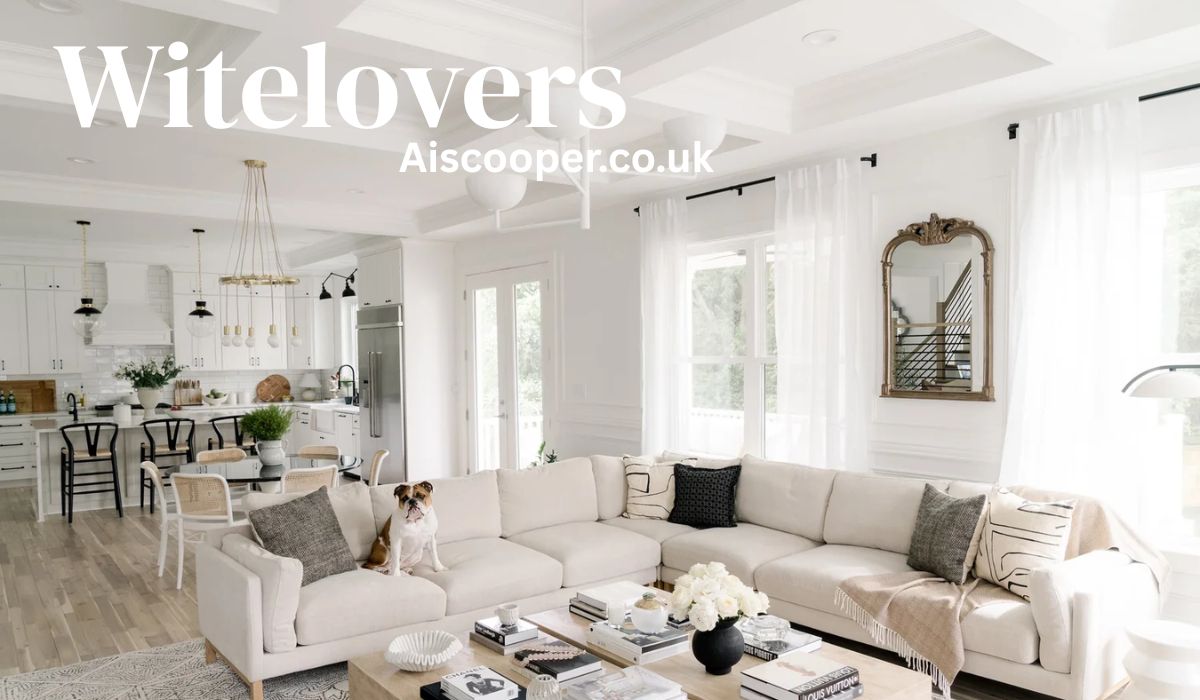
At the most basic level, this term is usually understood as something tied to clean visual taste, soft presentation, and a polished online image. It carries a strong sense of brightness, order, and minimal beauty. When people come across it, they often connect it with white-toned design, tidy personal style, peaceful room setups, and carefully chosen visual details. Even without a formal definition, the phrase suggests a mood that is easy to recognize. It feels calm, stylish, and intentionally simple.
That broad meaning is part of its strength. The term does not seem limited to one platform or one narrow topic. Instead, it can fit into many digital spaces, including social media, design-focused pages, fashion posts, lifestyle blogs, and curated content feeds. In that sense, it works less like a technical label and more like a soft identity marker. It tells people what kind of visual world to expect: neat layouts, light colors, quiet elegance, and a preference for refined presentation over visual noise.
The Digital Story Behind the Name
Every online term has a kind of story, even when it does not come from one official source. The story of this phrase seems to be built through repeated use. It likely gained attention because it sounds memorable and instantly creates a visual image. The combination of a simple word shape and emotional appeal makes it easy to notice. Users can read it and quickly imagine something attractive, bright, and aesthetic. That alone gives the phrase strong online potential.
Its growth also reflects the way internet language works today. A phrase does not need a dictionary entry before people start using it in captions, search terms, blog titles, or usernames. Once it appears often enough in attractive contexts, it begins to develop a shared meaning. This is how many lifestyle and aesthetic labels rise. The term gathers identity through the posts around it. Over time, that repeated use creates a digital biography of the phrase itself, showing how it moved from a simple expression to something people actively search and discuss.
Key Features People Associate With It
One major reason the term stands out is the group of qualities often linked to it. Readers and viewers tend to connect it with visual balance, soft styling, and a more curated way of showing life online. The idea is not only about color. It is also about emotional effect. Clean visuals make people feel calm. Organized content feels easier to trust and enjoy. A simple style often looks more modern than one that feels crowded or loud.
The most common features linked to this kind of identity include:
- light and clean color themes
- minimal room decor and neat spaces
- soft fashion choices and neutral outfits
- polished photography and gentle editing
- a calm lifestyle mood
- modern branding and tidy visual layouts
- intentional posting style
- a sense of order, freshness, and simplicity
Together, these features create a full atmosphere. People are not only reacting to an image or a word. They are responding to a complete aesthetic experience. That is why the term feels larger than a passing tag. It points to a whole style language built around calm beauty and clean presentation.
Why Minimal Aesthetic Culture Connects With Witelovers
Modern audiences often feel surrounded by too much information, too much color, and too much digital pressure. In that environment, minimal aesthetic culture has become more attractive. Clean spaces, soft visuals, and simple design choices feel restful. They create a sense of calm that many people want in both their physical environment and their online feeds. This is where the phrase gains much of its appeal. It fits naturally into a culture that values quiet beauty over clutter.
That connection also helps explain why the term can appear across different categories without losing its identity. It can work in fashion, home styling, personal branding, content creation, or mood-based photography. A white-toned bedroom, a simple skincare shelf, a neutral wardrobe, or a bright desk setup can all match the same aesthetic direction. Because the phrase adapts to so many forms of visual storytelling, it becomes useful for both creators and readers who want a quick way to describe a clean and polished lifestyle image.
Its Role in Social Media and Content Sharing
Social platforms reward words that are short, memorable, and visually suggestive. This phrase fits that pattern very well. It feels like the kind of label that can sit comfortably in captions, usernames, hashtags, and blog headings. On social media, users often rely on terms like this to signal mood before they explain anything in detail. A single word can prepare the audience for a style of content: bright, neat, soft, and curated.
That role matters because discoverability is a major part of online growth. When people use a recognizable aesthetic label, they help viewers find similar content more easily. In that sense, the phrase is not only descriptive. It also works as a content guide. It tells the algorithm, the reader, and the creator what sort of visual world is being presented. This may be one reason it keeps circulating. It is useful, attractive, and flexible enough to work across many types of online expression.
Why the Term Feels So Search Friendly
Some words become popular because they are familiar. Others grow because they make people curious. This one does both. The name is easy to read and easy to remember, but it also raises a question. People see it and want to know more. Is it a trend, a style, a page name, or an online community? That small moment of uncertainty is powerful in search behavior. Curiosity leads to clicks, and clicks encourage more content around the same phrase.
Its search value also comes from its broad relevance. The term can connect with minimalist lifestyle content, white aesthetic inspiration, visual identity, decor trends, curated fashion, mood-based posting, and online brand style. Because it overlaps with several popular digital topics, it can attract different kinds of audiences at once. Some readers are interested in social media trends. Others want design inspiration. Others simply want to understand the phrase after seeing it online. That wide appeal helps keep interest active.
How Witelovers Reflects Personal Identity Online
Online identity is no longer built only through words. It is also shaped through color, layout, mood, and visual consistency. This is one of the biggest reasons the phrase matters. It reflects a modern way of presenting the self. People often want their digital presence to feel calm, tasteful, and put together. They choose visuals that support that image, and they use labels that match it. In this way, the term becomes part of a larger personal branding habit.
That does not mean everyone using it is creating a formal brand. Sometimes the goal is much simpler. A person may just want their posts to feel soft, balanced, and attractive. Still, the result is similar. The phrase helps create a recognizable visual identity. It gives people a shorthand for a certain look and tone. For readers and audiences, that identity can feel welcoming because it is easy to understand. It offers a clear mood, and that clarity is valuable in fast-moving digital spaces.
The Growing Online Interest Around the Topic
The rise in attention around this term is not surprising. Internet culture moves quickly, but it also repeats strong patterns. Words that combine beauty, mood, and flexible meaning often do well because they can grow with user interpretation. This phrase has enough structure to sound meaningful and enough openness to invite discussion. That is a strong combination. Readers are more likely to search for a term when it feels both understandable and slightly mysterious.
The growing attention also reflects larger online behavior. People increasingly search for identity-based content, aesthetic trends, lifestyle language, and visual inspiration. They want terms that help them describe the kind of content they enjoy or want to create. This makes the phrase useful beyond simple curiosity. It becomes part of a wider online conversation about clean design, minimal living, curated style, and attractive digital storytelling. As long as those interests stay strong, the phrase is likely to remain relevant.
What Makes the Topic Useful for Readers
For readers, the value of understanding this term goes beyond learning one internet label. It offers insight into how digital language develops. Not every popular phrase begins with a strict definition. Many gain meaning through use, style, and repetition. When readers understand that process, they can interpret internet trends more clearly. They can see how design culture, mood-based language, and user behavior work together to shape online vocabulary.
This topic is also useful because it connects with real interests people already have. Readers looking into the term are often also interested in home styling, soft fashion, social media identity, visual branding, calm aesthetics, and minimalist content. So even a simple search can open the door to bigger conversations. That makes the subject practical as well as interesting. It is not only about one term. It is about the wider culture of modern online taste and how people turn that taste into a visible identity.
Final Thoughts
Witelovers stands out because it captures several online ideas in one simple phrase. It suggests visual clarity, soft design, personal style, and a calm digital mood. Even without one official meaning, the term has built a recognizable identity through repeated use and strong aesthetic association. It feels modern because it reflects the way people now communicate online, not only with words, but with visual choices, emotional tone, and consistent presentation.
Its growing appeal also shows that internet users are drawn to language that feels attractive, flexible, and easy to apply across many kinds of content. Whether someone sees it as a trend term, a lifestyle label, a social identity, or a search-friendly phrase, the core meaning stays close to the same idea: clean beauty with online presence. That is why the topic continues to attract interest, and that is why it remains relevant in conversations about digital culture, minimalist aesthetics, and curated self-expression.
Frequently Asked Questions
1. What is Witelovers?
It is usually seen as an online term linked with clean style, bright visuals, and a calm aesthetic mood.
People often connect it with minimal lifestyle content, polished posts, and soft visual identity.
2. Is Witelovers a brand or a trend?
It is more often treated like a trend-based or aesthetic label than a formal brand name.
Its meaning depends on context, but it usually points to style, mood, and curated online taste.
3. Why are people searching for Witelovers?
People search it because they see the term online and want to understand what it represents.
Its simple name and visual feel create curiosity, which naturally increases search interest.
4. What kind of content matches this term?
It usually fits content about minimalist decor, neutral fashion, soft photography, and calm design.
It also works well for creators who prefer clean layouts and a polished social media look.
5. Why does the term matter in online culture?
It matters because it shows how digital language grows through use, visuals, and community meaning.
The phrase reflects larger trends in personal branding, aesthetic identity, and modern content style.