

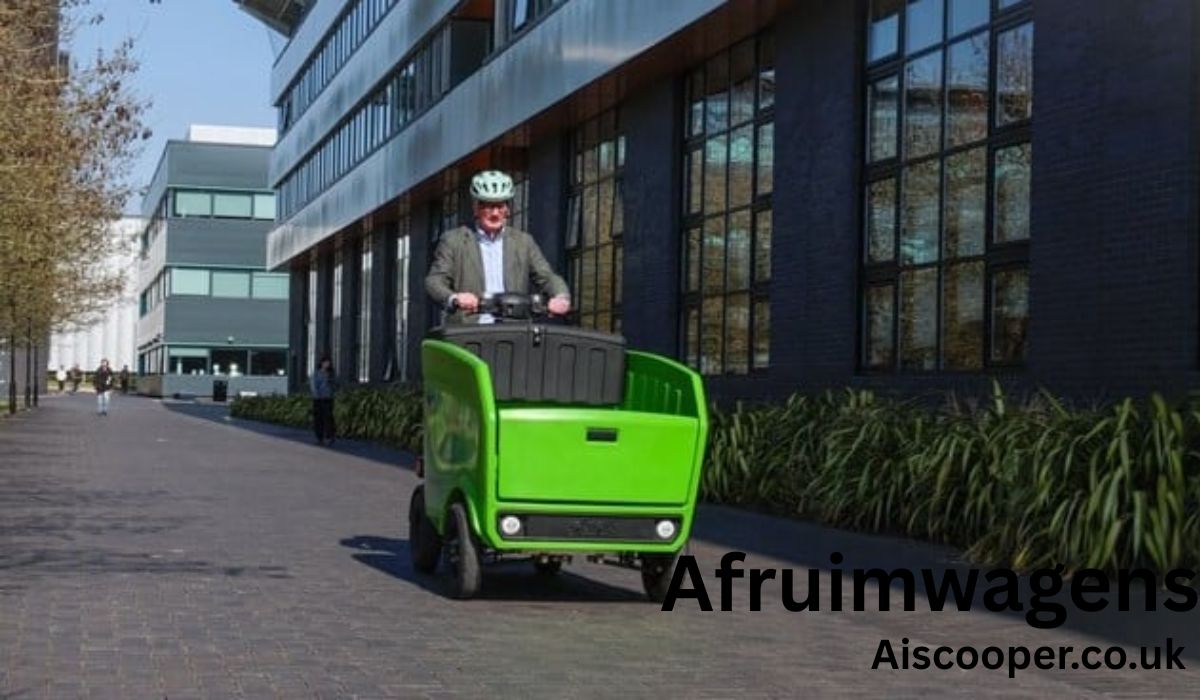
In busy workplaces, small tools often have a big effect on daily results. A well-made clearing cart can save steps, reduce mess, support faster service, and make work less tiring for staff. That is why many businesses now look more carefully at Afruimwagens before they buy. What may seem like a simple trolley can quickly become one of the most used items in a restaurant, hotel, care facility, warehouse, cleaning team, or catering setup. When the right model is chosen, work flows better and teams stay more organized throughout the day.
The challenge is that not every cart fits every job. A model that works well in a hotel hallway may fail in a busy kitchen. A cart that looks strong on paper may feel noisy, awkward, or too large once it enters real use. Buyers often focus on price first, but long-term value comes from choosing the right size, material, wheel system, shelf layout, and load support. A smart buying decision should always be based on where the cart will be used, what it will carry, and how often it will move during a full shift.
This guide explains the most important points in clear language. It is written for a broad audience and helps readers understand how to compare trolley options, service carts, utility carts, cleaning carts, dish clearing carts, and transport carts with confidence. The goal is simple: help you choose a model that supports smooth work, safer handling, easier cleaning, and stronger daily performance.
Table of Contents
ToggleWhat Makes Afruimwagens So Useful in Daily Work?
These carts are designed to support movement, collection, and organization. In restaurants, they help staff clear plates, cups, trays, and food waste from tables to wash areas. In hotels, they can carry used items, room service equipment, or cleaning supplies between rooms and service points. In healthcare and facility management, they help move materials in a controlled, practical, and more hygienic way. Their value comes from reducing manual carrying and helping teams handle more work in less time.
What makes them especially useful is their flexibility. Some are built for heavy loads, while others are made for lighter service tasks in narrow spaces. Some have open shelves for fast loading and unloading, while others include bins, edges, or holders for better sorting. This makes them useful across many sectors, from hospitality and housekeeping to food service and commercial cleaning.
A good clearing cart also improves the visual side of work. In guest-facing spaces, a tidy and quiet trolley helps maintain a clean and professional setting. Staff can collect items quickly without leaving clutter behind. That creates a better experience for customers, guests, or patients while also improving team efficiency behind the scenes.
Over time, these benefits add up. Fewer trips, less lifting, and better organization can lower strain on workers and reduce wasted time across the day. That is why choosing the right cart is not just about buying equipment. It is about improving the full routine around transport, cleanup, and workplace flow.
Know the Work Area Before You Buy
The best place to begin is not the catalog but the real work area. Think about the routes the cart will take every day. Will it move through tight restaurant aisles, hotel corridors, elevators, storage rooms, loading points, or public areas? Will it need to pass doorways often or turn in narrow corners? These details matter because a cart that is too wide, too tall, or too rigid will create daily frustration.
Floor type is also important. Smooth tile, rough concrete, carpet edges, metal thresholds, and sloped surfaces all affect how a trolley performs. A cart that rolls well on one surface may feel heavy and unstable on another. In quiet spaces such as hospitals, guest floors, and offices, wheel noise can also become a major issue. Buyers who ignore the work setting often end up with a product that seems acceptable at first but performs poorly in real use.
Storage between shifts should also be considered. Some teams have large service rooms, while others must park the cart in a small back corner. A compact design may be better in sites where space is limited. If the cart must remain visible in front-of-house areas, appearance matters more as well. A clean design with a professional finish may suit these spaces better than a bulky industrial model.
When buyers study the route, floor, storage area, and work pace first, the rest of the decision becomes easier. The best cart is one that fits naturally into the workplace rather than forcing the team to adjust around it. That practical match is often the difference between a useful tool and a daily problem.
Size, Capacity, and Layout Should Match the Task
One of the biggest mistakes is assuming that larger always means better. A bigger service trolley may hold more, but it can also be harder to push, slower to turn, and more difficult to store. In busy workplaces, a cart must balance capacity with ease of movement. If it is too small, staff will need more trips. If it is too large, it may block paths and slow the workflow.
Capacity should be judged by the real load, not the possible load. A restaurant may need enough shelf space for trays, dishes, glasses, and cutlery, while a cleaning team may need room for waste bags, tools, and supplies. A housekeeping cart may need a different shelf depth and item layout from a dish clearing cart. Looking at the actual daily load helps buyers avoid overspending or underbuying.
Shelf design matters just as much as total size. Open shelves are useful for speed, but raised edges can help stop items from slipping during movement. Some teams need deep bins for waste or used materials, while others need flat surfaces for trays and containers. In some workplaces, separate areas for clean and used items can support safer and tidier handling.
A well-planned layout improves speed and comfort. Staff can load faster, unload with less bending, and keep items sorted while moving through the site. That is why buyers should compare not only dimensions but also the inner working design of the cart. A smart layout saves time every single day.
Choosing the Right Material for Strength and Hygiene
Material has a strong effect on performance, cleaning, and lifespan. Stainless steel is a popular choice for food service, catering, and healthcare because it looks clean, handles moisture well, and supports regular sanitation. It also gives a more professional appearance in visible spaces. For businesses that need strong hygiene standards, this material often makes sense.
Heavy-duty plastic carts are also widely used and can be a great option in many settings. They are often lighter than metal models, which can make them easier to push over long shifts. They also tend to roll more quietly, which is helpful in hotels, offices, and care settings. A strong plastic frame can still provide good durability if it is built for repeated daily use.
Powder-coated metal options can offer a middle ground between strength and cost, but finish quality matters. If the coating wears down too quickly, the cart may lose its clean appearance or become harder to maintain. Buyers should look beyond marketing claims and think about how the product will perform after months of contact with moisture, impacts, and regular cleaning products.
The best material is not simply the strongest one. It is the one that fits the environment, the cleaning routine, and the level of use. A durable service cart should stay stable, easy to clean, and professional-looking even after constant movement and repeated daily work.
Wheels, Control, and Easy Movement
Wheels are one of the most important parts of any transport cart, yet they are often overlooked. A cart may have a strong frame and useful shelves, but if the wheel system is weak, the full user experience suffers. Good casters help the trolley move smoothly, turn easily, and stay stable under load. Poor wheels create drag, noise, and extra effort for staff.
Wheel size should match the work area. Larger wheels usually handle bumps, ramps, and thresholds better than smaller ones. Swivel wheels improve turning in tight spaces, while strong brake systems add control during loading, unloading, or parking. In hospitality and healthcare, quiet-rolling wheels are often worth the added cost because they reduce disturbance in shared spaces.
Control matters just as much as movement. A cart should not wobble when loaded, and it should not feel like it pulls to one side. Staff need to guide it with confidence, especially when passing people, turning corners, or moving through elevators. Non-marking wheels can also help protect visible floor surfaces in hotels, retail stores, and care buildings.
A good wheel setup improves safety, speed, and comfort at the same time. It reduces strain on workers and helps the cart become a smooth part of the workflow. That is why buyers should always treat caster quality as a top priority, not a small extra feature.
Ergonomics and Staff Comfort Make a Real Difference
A clearing trolley should support the people using it, not wear them down. If a cart is hard to push, too tall, too low, or poorly balanced, staff will feel that problem throughout the day. In workplaces where teams repeat the same transport tasks again and again, comfort directly affects speed, energy, and consistency.
Handle height is one of the first things to check. It should feel natural to grip and push without forcing awkward arm or shoulder movement. Shelf height also matters because loading and unloading should not require too much bending or lifting. A balanced design helps keep effort low even when the cart is carrying a full load of dishes, waste, tools, or supplies.
Staff feedback is valuable here. The people who use these carts every day can quickly spot problems that buyers may miss in a product listing. They know whether the unit turns well in real spaces, whether it feels too heavy when full, and whether the design supports a fast work pace. That practical insight can prevent expensive buying mistakes.
Better ergonomics often lead to better results across the whole operation. Workers feel less strain, tasks move more smoothly, and teams can keep a steady pace during long shifts. A cart that supports comfort is not a luxury item. It is a smarter investment in everyday performance.

Hygiene, Maintenance, and Clean Design Features
In many industries, cleaning is just as important as carrying capacity. A cart used for dirty dishes, food waste, room clearance, or cleaning supplies should be easy to wash and maintain. Smooth surfaces, simple joints, and easy-access shelves make regular cleaning faster and more effective. If dirt can collect in hidden corners, the cart becomes harder to keep sanitary.
This is especially important in hospitality, healthcare, commercial kitchens, and facility support. A hygienic design helps protect work standards and supports a better image in front of guests and customers. Materials should resist moisture, stains, and frequent wiping. Removable bins, washable bags, and easy-drain surfaces can also improve daily maintenance.
A clean design is not only about hygiene but also about appearance. In visible areas, a cart should look neat and well-kept even during use. A scratched or poorly designed trolley can make the whole operation feel less organized. That is why finish quality, surface durability, and easy cleaning all matter when comparing models.
Maintenance over time should also be considered. Wheels may need replacement, shelves may take impact, and fasteners may loosen with heavy use. Buyers should think about how simple it will be to keep the cart working well. A product that stays clean and performs reliably will always offer stronger value.
How Different Industries Need Different Cart Features
Not every business needs the same kind of service cart. In restaurants, the focus is often on tray support, dish collection, and fast movement between guest areas and wash stations. In hotels, a clearing trolley may need to move quietly through corridors while keeping a tidy appearance in public view. In healthcare, hygiene, control, and calm movement often matter more than raw carrying volume.
Cleaning teams may need carts with bag support, side holders, and shelf space for supplies. Warehouses and back-of-house service zones may need stronger frames for heavier loads and rougher routes. Catering operations may want transport carts that are both durable and easy to clean after high-volume events. Each use case changes which features matter most.
This is why broad product labels can be misleading. A trolley described as general-purpose may still be a poor fit for a specific routine. Buyers should compare features based on their own work patterns, not just generic product categories. The more closely the cart fits the job, the better the result will be in speed, order, and long-term use.
Thinking by industry also helps buyers avoid wasted spending. A business that needs silent movement and guest-friendly design should not overpay for industrial features it will never use. In the same way, a heavy-duty site should not choose a light-duty model based only on appearance or price.
Price, Value, and Long-Term Return
Price always matters, but the smartest buyers look beyond the first cost. A low-priced trolley may seem attractive at first, but it can become expensive if it breaks early, moves poorly, or slows staff down. Real value comes from lifespan, reliability, and daily performance. A slightly better model can often save money over time by reducing repairs, replacement, and work delays.
One good way to judge value is to ask how often the cart will be used. If it will move several times a day in a busy setting, then quality matters much more. Stronger wheels, stable shelves, and easier cleaning can make a big difference over months of continuous use. For lighter work, a simpler model may be enough, but even then, basic reliability should not be ignored.
Buyers should also check whether spare parts are available. Wheels and other working parts may wear with time, and a cart that can be serviced easily will usually last longer. Product support, warranty terms, and material quality should all be part of the buying decision. A cart is not just a purchase; it is a working tool that should continue delivering value after the sale.
When viewed this way, the best option is rarely the cheapest or the most expensive. It is the one that performs well in the real work setting, stays reliable under daily use, and supports smoother operations over the long term.
Final Thoughts
Choosing the right Afruimwagens starts with understanding the real job they need to do. Buyers should look at the work area, daily route, floor type, storage space, and load pattern before comparing products. Once those points are clear, it becomes easier to choose the right size, material, shelf layout, and wheel system. This creates a better fit for restaurants, hotels, healthcare settings, cleaning teams, and many other workplaces.
A strong clearing cart supports more than transport. It helps improve workflow, reduce staff strain, maintain cleaner spaces, and create a more organized operation overall. These benefits are easy to miss at the time of purchase, but they become very clear in daily use. Small design features such as quiet wheels, stable shelves, and easy-clean surfaces often bring the biggest long-term value.
The best buying decisions are practical, not rushed. Buyers who focus on comfort, durability, hygiene, and real use conditions usually get the best results. A well-chosen trolley becomes a dependable part of the team, helping work move faster and more smoothly every day.
In the end, the right cart is the one that feels natural in the workplace from the first shift onward. It should save time, support staff, and hold up under regular pressure. When those goals are met, the investment pays back through stronger service, better organization, and more reliable daily performance.
Frequently Asked Questions
1. What are Afruimwagens used for?
They are used to clear, carry, and organize items in workplaces like restaurants, hotels, healthcare sites, and cleaning operations.
They help staff move faster, reduce lifting, and keep service areas clean and orderly.
2. Which material is best for a clearing cart?
Stainless steel is ideal for hygiene-focused spaces, while heavy-duty plastic works well for quieter and lighter handling.
The best choice depends on the work setting, cleaning needs, and how often the cart is used.
3. Why are wheels so important on service carts?
Good wheels improve control, reduce staff effort, and help the cart move smoothly over different surfaces.
Poor wheels can create noise, drag, instability, and extra strain during busy shifts.
4. How do I choose the right cart size?
Look at your daily load, available space, and the routes the cart will travel during normal use.
The right size should carry enough items without becoming hard to turn, store, or push.
5. Are expensive carts always better?
Not always, because the best option is the one that matches your real work needs and lasts well over time.A mid-range model with strong wheels and durable shelves may offer better value than a premium cart with features you do not need.