

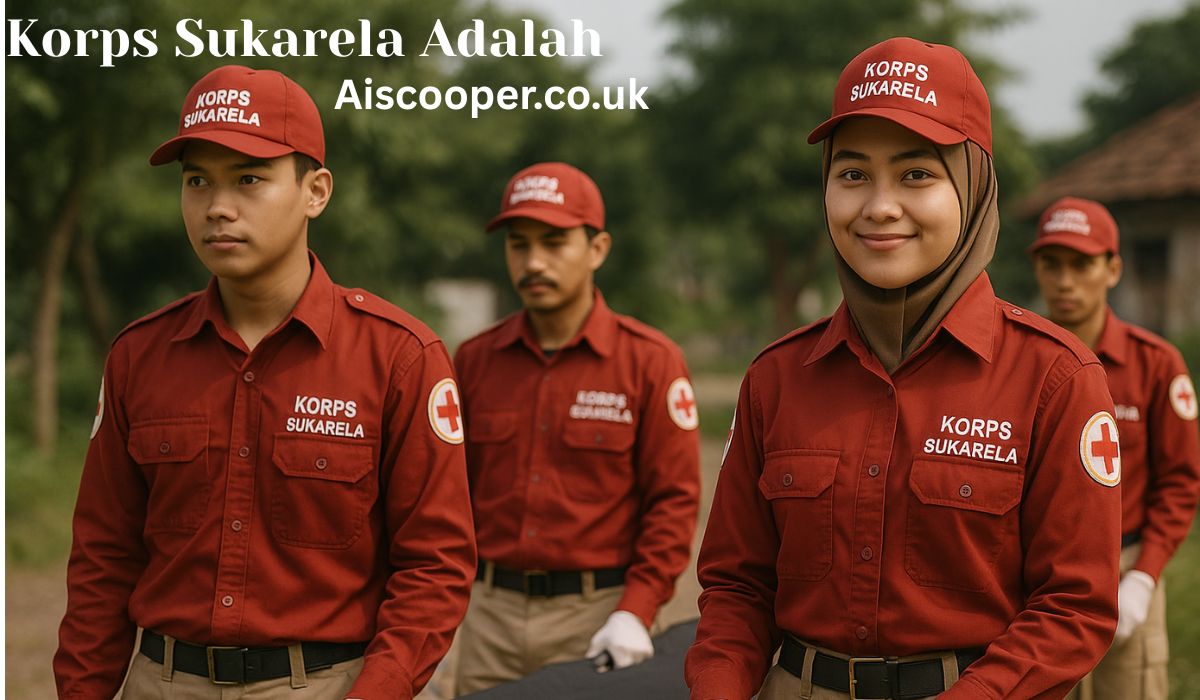
Many people hear the term Korps Sukarela without fully understanding what it represents. Some assume it is just another name for a volunteer group, while others think it only relates to emergency work. In reality, the meaning is broader and more human than that. Korps Sukarela adalah a structured volunteer corps built on service, discipline, compassion, and readiness to support others in real-life situations. It brings together people who want to help their communities in practical ways, whether through first aid, disaster support, public service, health outreach, or social care.
For a global audience, the idea becomes easier to understand when compared to a trained community service unit. It is not simply about showing up when there is free time. It is about learning how to serve well, act responsibly, and work as part of a team that people can trust. This is why the term matters. It connects volunteerism with community strength, humanitarian values, youth development, public safety, and civic responsibility. When viewed this way, Korps Sukarela is not only a group name. It is a living example of organized compassion in action.
What Korps Sukarela Really Means
At its heart, Korps Sukarela refers to a volunteer corps made up of individuals who choose to help others without expecting financial reward as the main outcome. The word “corps” suggests a group with structure and direction, while “voluntary” reflects a willingness to serve from the heart. Together, the term describes a team that is shaped by purpose, training, and shared responsibility. This makes it different from casual helping. Members are often expected to be present, prepared, and ready to support others with care and discipline.
The meaning also carries a deeper social value. A volunteer corps often stands for mutual aid, emergency preparedness, social service, health support, disaster response, public education, and relief work. In many communities, it becomes a symbol of trust because people know the group exists to help in moments of need. That practical role, combined with a strong moral foundation, is what gives the term lasting value. It is not only about being kind. It is about turning kindness into useful, organized action.
The Story Behind Why People Join
The best way to understand this corps is through the people who join it. Many members do not begin with a grand plan. Their story often starts with something personal. Some were inspired after seeing a flood, an accident, or a health crisis in their community. Others were drawn in by school service programs, local youth groups, or the example of older volunteers who served with courage and humility. That first step may be small, but over time it becomes part of who they are.
This biography-style path is what makes the organization feel so human. A young student might begin by helping at a blood drive or supporting a community event. Later, that same person may become someone who can calm a crowd, assist during emergencies, and guide others in service. Through repeated experience, the volunteer learns patience, self-control, empathy, leadership, and practical care. Their growth reflects the wider mission of the corps itself. It is not only about helping others survive difficult moments. It is also about helping volunteers grow into dependable people.
Why Korps Sukarela Matters in Daily Community Life
Many people connect volunteer corps work only with disasters, but its role in daily life is just as important. Communities often need organized support for local health campaigns, public gatherings, social programs, and safety awareness. A trained team can offer first aid at events, assist older adults during public activities, support blood donation drives, and help spread useful information about emergency readiness. These tasks may not always make headlines, but they improve daily life in real ways.
This is why Korps Sukarela remains valuable even when there is no major crisis. It helps create a stronger local culture of care. People begin to feel that service is possible, visible, and close to home. A volunteer corps can also encourage youth participation, public trust, and neighborhood cooperation. In that sense, the group becomes part of the social foundation of a healthy community. It is present not only when things go wrong, but also when people want to build something better together.
How a Volunteer Corps Usually Operates
Unlike informal volunteering, a structured corps often works through clear roles, teamwork, and practical training. Members may take part in drills, orientation sessions, health support activities, event coordination, or emergency response preparation. They usually learn how to communicate calmly, follow procedures, and support others without creating more confusion. This structure helps the team work effectively in situations where emotions are high and time matters.
A volunteer corps also tends to work closely with its environment. Depending on the area, it may coordinate with local institutions, schools, community organizations, or public service groups. That connection helps members understand real local needs instead of acting in a random or disconnected way. The result is a model of service that combines heart with responsibility. Good intentions remain important, but they are supported by readiness, discipline, and a clear sense of purpose.
Common Roles and Responsibilities
The duties of a volunteer corps can vary by location, but several responsibilities appear again and again in community service and humanitarian work. These roles show why the group is seen as practical, reliable, and people-centered.
- Providing basic first aid during public events or sudden emergencies
- Supporting disaster response, relief delivery, and evacuation assistance
- Helping with blood donation programs and public health outreach
- Assisting vulnerable groups during social service activities
- Sharing safety education and emergency preparedness information
- Offering logistical help, crowd guidance, and field support during events
These tasks show that service is not limited to one kind of action. A volunteer corps can support health, safety, relief, social care, and civic programs at the same time. That range is one reason it stays relevant in both small neighborhoods and larger public settings. Its strength lies in being flexible while still staying grounded in service values.
Skills Members Build Through Service
One of the most important things about joining this kind of group is the growth that happens over time. Members often develop practical skills such as first aid, emergency communication, field coordination, teamwork, public interaction, and event support. These are useful abilities that can help in both volunteer work and everyday life. A person who knows how to stay calm and take action during pressure becomes a real asset in any community.
At the same time, the inner growth can be even more powerful. Volunteers often become more patient, more disciplined, and more aware of the needs of others. They learn how to listen before reacting and how to serve without seeking praise. These qualities shape character in lasting ways. Many members carry these lessons into school, work, family life, and leadership roles. In this way, Korps Sukarela does not only build stronger communities. It also helps build stronger people.
The Difference Between Casual Volunteers and a Trained Corps
Casual volunteering matters and should never be dismissed. Many people help at one-time events, donate their time, or support causes when they can. That kind of service is meaningful. Still, a trained volunteer corps offers something more stable and prepared. The key difference is continuity. Members are usually part of an ongoing system of service, not just a single event. They learn to respond in a coordinated way and to support each other under pressure.
This difference becomes especially clear during emergencies. In a difficult situation, good intentions alone may not be enough. People need direction, calm communication, and organized support. A trained team can reduce panic, assist more safely, and respond faster. That is why the identity of Korps Sukarela carries weight. It suggests readiness, responsibility, and consistent service. For many communities, that makes the corps more than a volunteer option. It becomes a trusted pillar of local support.
Its Place in Humanitarian Work and Public Safety
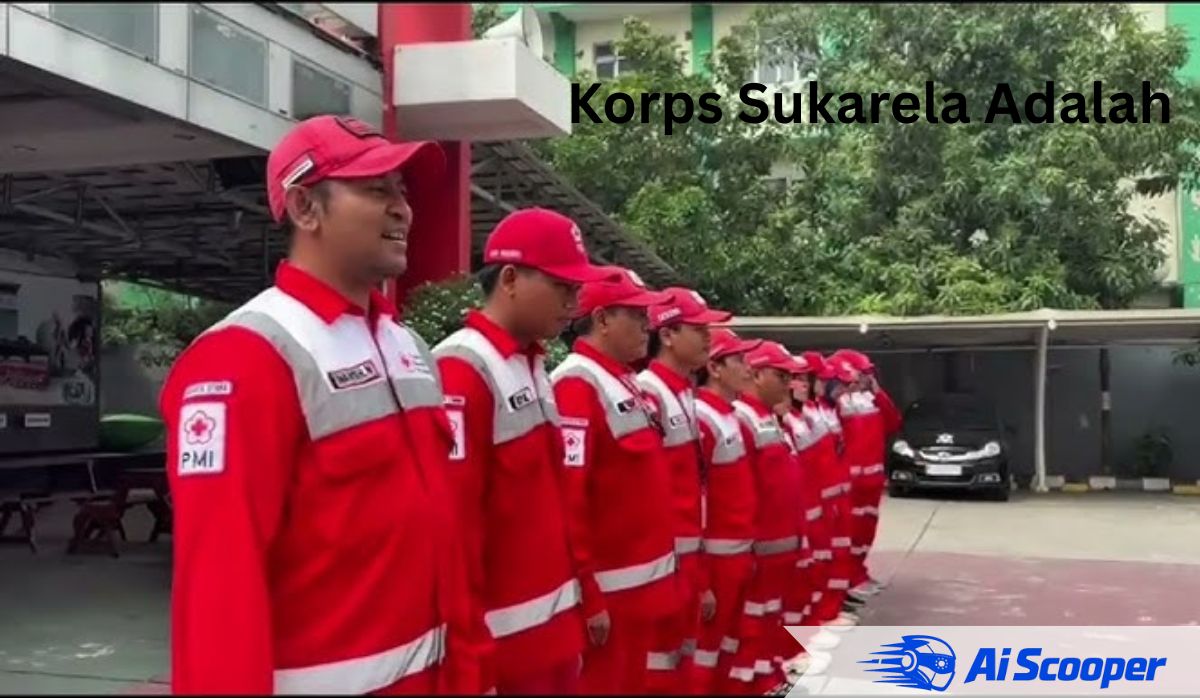
When disasters, accidents, or urgent social needs arise, volunteer corps members often become a critical support layer. They may help guide people to safer areas, support relief distribution, offer basic assistance, or help public agencies manage field conditions more smoothly. Their presence can improve the speed and human quality of the response. Even when they are not in charge, they often make the entire effort work better by filling practical gaps.
Public safety is not only about systems and equipment. It is also about local knowledge, trust, and human presence. Volunteers often know the people, streets, and specific risks of their area better than outside responders. That local connection helps them act quickly and communicate in ways that people understand. It also makes help feel more personal. A good volunteer corps does not replace professional services. Instead, it strengthens community resilience by standing close to the people it serves.
Why Young People Are Drawn to This Path
Young people are often pulled toward meaningful service because it gives them a real role in the world around them. In a time when many activities feel distant or temporary, service offers something direct and lasting. A young volunteer can see the result of their effort in the people they help, the events they support, and the communities they serve. That experience creates a strong sense of purpose. It also teaches responsibility in a way that books alone cannot.
For many young members, joining a volunteer corps becomes a turning point. They learn how to work with others, follow structure, solve practical problems, and care about public needs. Over time, these experiences shape identity. A shy student may become a confident field helper. A curious teenager may become a trusted community volunteer. This journey is one of the reasons Korps Sukarela continues to matter. It gives young people not only a place to serve, but also a path to grow.
Challenges Faced by Volunteer Corps Members
Service work is meaningful, but it is not easy. Volunteers may deal with long hours, emotional stress, limited supplies, and physically demanding situations. They can face heat, fatigue, uncertainty, and the emotional weight of helping people in pain. In some cases, they also face public misunderstanding. Others may see volunteering as simple or informal without realizing how much discipline and preparation it requires. These challenges can test commitment in real ways.
Yet those same difficulties often reveal the true strength of the corps. Members continue because they believe their presence matters. They understand that support is valuable even when conditions are hard. Over time, resilience becomes part of the group’s identity. A volunteer corps survives not because the work is comfortable, but because the mission is meaningful. That commitment is what gives the organization dignity and long-term social value.
Final Thoughts
In the end, Korps Sukarela adalah much more than a label for volunteers. It represents organized care, public spirit, social responsibility, and readiness to act when people need support the most. Through first aid, disaster help, health outreach, event support, and community service, this volunteer corps plays an important role in strengthening society from the ground up. Its work is practical, but its impact is deeply human.
For a worldwide audience, the clearest way to understand it is this: Korps Sukarela is a disciplined volunteer community built on empathy, teamwork, and service. It matters because it turns concern into action and builds trust where it is needed most. It also shapes the lives of its members, helping them grow into dependable, community-minded people. That is why this corps remains an important part of humanitarian work and a meaningful example of what volunteer service can truly become.
Frequently Asked Questions
1. What does Korps Sukarela mean?
Korps Sukarela means a volunteer corps that serves people through organized community and humanitarian work.
It usually includes trained members who help with safety, health support, relief efforts, and public service.
2. Is Korps Sukarela only active during disasters?
No, it also supports blood drives, public events, health outreach, and many local service programs.
Disaster response is important, but daily community support is also a major part of its role.
3. What skills do members usually learn?
Members often learn first aid, teamwork, emergency communication, leadership, and field coordination.They also develop patience, discipline, empathy, and a stronger sense of public responsibility.
4. Why is this volunteer corps important for communities?
It helps communities respond faster and more calmly during emergencies and public service needs.
Its presence also builds trust, encourages preparedness, and strengthens local cooperation.
5. Can young people benefit from joining?
Yes, many young people gain confidence, structure, and real-life service experience through joining.
It often helps them grow into more responsible, caring, and community-focused individuals.