

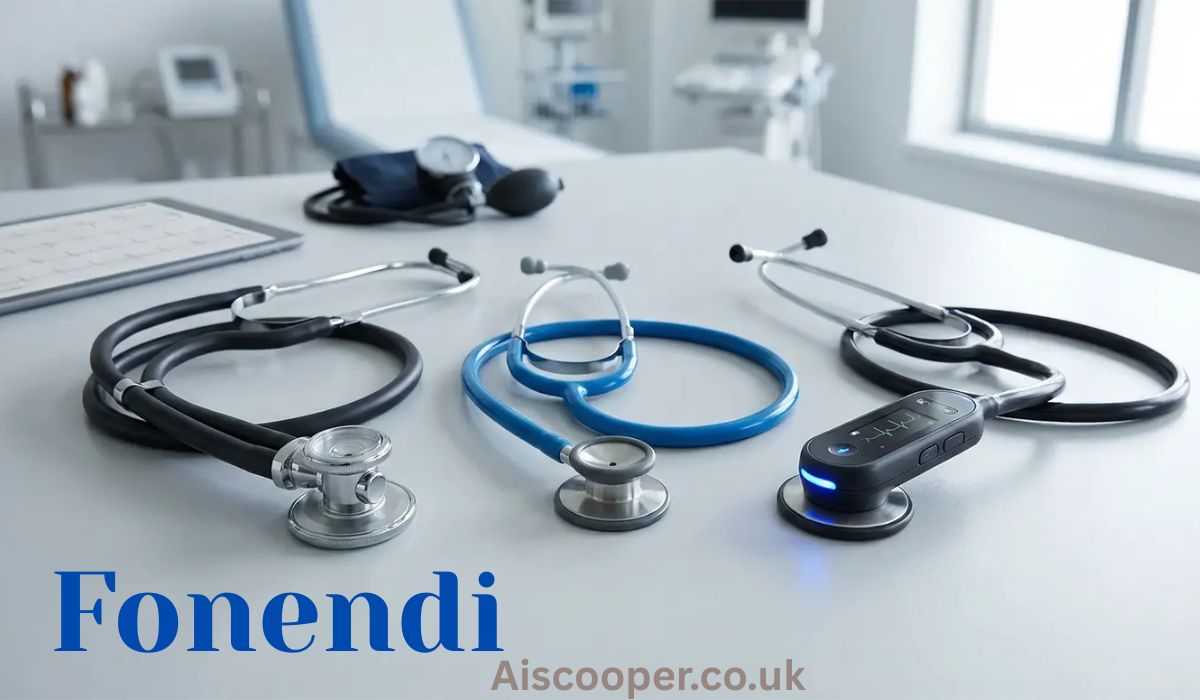
In a world full of product names, technical terms, and brand-like words, some names instantly make people pause and ask what they really mean. Fonendi is one of those terms. It sounds professional, clear, and closely linked to healthcare, sound, or diagnostic use, which is why many readers want a simple explanation the moment they see it. Some discover it while browsing medical products. Others notice it in content, catalogs, or online searches and want to know whether it refers to a tool, a brand identity, or a broader concept tied to clinical listening devices. That curiosity makes sense, because today people want quick answers they can trust, not vague wording or repeated filler.
The best way to understand this topic is to look at it from several angles at once. A useful article should explain the meaning behind the name, how people interpret it, why it attracts attention, and what makes it relevant in real use. It should also help readers who may not come from a medical background but still want a practical overview. For a worldwide audience, that matters even more. Not every reader uses the same terms, shops in the same market, or reads product language in the same way. So instead of making the topic feel narrow, it helps to present it in a broad and friendly way.
This article takes that route. It explains the identity behind the term, how it fits into healthcare-style language, what readers and buyers usually expect from it, and why clarity matters when discussing it online. It also looks at trust, quality, usability, and the kind of value people usually connect with names that sound clinical and dependable. The goal is simple: to make the subject easy to understand, useful to read, and worth remembering.
Table of Contents
ToggleUnderstanding the Identity Behind the Name
The first thing most people notice about Fonendi is the sound of the word itself. It feels short, polished, and professional. That matters because names often shape how a person feels before they even read a description. A name that sounds connected to listening, assessment, or medical care immediately creates a sense of purpose. It suggests that the topic may relate to healthcare tools, acoustic equipment, patient examination, or a trusted product category. That first impression is powerful because it guides how readers search, compare, and learn.
In many cases, names like this gain attention because they feel familiar even when they are new. They may remind people of diagnostic instruments, clinical gear, or healthcare accessories used in hospitals, clinics, or home care settings. This is one reason the term stands out in search behavior. People are naturally drawn to words that seem useful and clear. They want to know whether the name points to a stethoscope-style product, a listening device, a medical accessory, or a specialized identity within the healthcare market.
There is also a biography-like quality to the way such a term develops meaning over time. It begins as a word people notice, then becomes a word they search, then gradually becomes a word they remember because it appears in relevant places. The more it shows up in product pages, educational articles, and health-related discussions, the more identity it builds. That growth is not random. It happens because the term feels connected to function, trust, and practical value.
Why People Search for Fonendi
Search behavior tells a lot about what people want. When someone looks up this term, they are usually not searching for entertainment. They are looking for clarity. They may want to know if it refers to a product, a medical instrument, a healthcare category, or a professional name used in clinical settings. In many cases, the search starts because the user saw the term on packaging, in an online store, or in a comparison page and wants more information before making a decision.
Some readers are trying to solve a buyer problem. They may be comparing healthcare tools, diagnostic accessories, or sound-based examination devices and want to understand whether this name is worth trusting. Others are simply trying to make sense of unfamiliar wording. This makes the topic highly practical. It is not about abstract interest alone. It is about helping readers move from confusion to understanding in a fast and useful way.
This is why clear, readable content matters so much. A good article should not assume that all readers already know medical language. It should explain the likely meaning, the likely use case, and the broader field it belongs to. When content answers those questions in a clean and helpful way, it serves beginners, buyers, students, and curious readers at the same time. That wider usefulness is what keeps a topic relevant in search and valuable to a broad audience.
How It Connects to Healthcare and Diagnostic Use
One of the strongest reasons the term gets attention is its close connection to healthcare-style language. Even without a full explanation, it carries a tone that fits naturally with clinical tools, patient care, and professional examination. People often associate names like this with stethoscope use, auscultation, chest listening, heart sound monitoring, lung assessment, and basic medical evaluation. That does not happen by chance. It happens because sound, naming, and context work together to create a clear impression.
In medical and wellness spaces, clarity is important. People want to know whether a name belongs to a trusted product line, a category of instruments, or an educational discussion about healthcare equipment. The closer a term feels to real clinical use, the more careful readers become. They expect the content around it to be accurate, calm, and easy to understand. They do not want exaggerated claims. They want straightforward details that help them judge quality, comfort, purpose, and reliability.
That is why this topic fits so well with healthcare-related searches. It sits naturally beside ideas such as acoustic performance, patient examination, clinical accuracy, doctor tools, nurse equipment, home health gear, and medical learning. Whether the term appears as a product identity or a broader topic, it gains strength when it is explained within that practical environment. Readers trust it more when they can clearly see how it connects to real-world use.
What Readers and Buyers Usually Expect
When people come across a name like this, they often form quick expectations. They expect professional value. They expect a clean design or a clear purpose. They expect something that feels tied to healthcare, precision, or dependable performance. These expectations matter because they shape how the topic is judged online. If the surrounding content is weak or confusing, trust drops quickly. If the content is useful and grounded, interest grows.
For buyers, the process is even more practical. They want to know whether the item or concept is suitable for regular use, professional training, or healthcare support. They may look for signs of comfort, durability, acoustic quality, material strength, ease of handling, and long-term usefulness. Even if they are not experts, they often compare these qualities before making a choice. Clear content helps them do that with confidence.
For general readers, the need is slightly different but still important. They want a term explained in plain language. They want to know what field it belongs to, why it matters, and what makes it stand out from generic names. That is why an article on this subject should speak to both audiences at once. It should help the shopper think clearly and help the curious reader understand quickly.
Key Things People Often Look For
When evaluating a term, product identity, or healthcare-style name like this, readers usually pay attention to:
- professional tone
- medical relevance
- product clarity
- acoustic use
- diagnostic value
- comfort and fit
- strong material quality
- easy handling
- trust and reliability
- long-term usefulness
These points may seem simple, but together they shape how people judge value. A strong identity becomes more believable when these qualities are easy to see in the content around it.

Why Trust and Clear Information Matter
Trust is one of the most important parts of any topic connected to medical language or diagnostic use. People become careful when a term sounds linked to patient care or clinical settings. They want to know whether the information is honest, whether the description is realistic, and whether the explanation helps them make sense of what they are seeing. This is where many low-quality articles fail. They repeat the same phrase again and again, but never really teach the reader anything useful.
Good content works differently. It respects the reader’s time. It gives context, practical guidance, and a simple explanation of why the topic matters. It avoids inflated claims and focuses on the details people truly need. That could mean discussing medical tools, listening devices, healthcare accessories, examination use, or product identity in a way that feels steady and believable. Readers can sense the difference between writing that exists only to fill space and writing that exists to help.
This is especially important for a global audience. Readers from different countries may not know the same medical vocabulary or product language. A clear article gives them a common starting point. It explains the subject without assuming too much and without making the reader work too hard. That kind of clarity builds confidence, and confidence is what turns a simple search into a useful reading experience.
How the Topic Fits a Global Audience
One reason this topic has wide value is that it can be understood across many regions and user groups. A student may approach it from a learning angle. A buyer may approach it through product research. A healthcare worker may connect it to professional tools. A general reader may simply want to know what the word means. That range of interest makes it important to write in a way that is broad, clear, and easy to follow.
Global readers often prefer content that gives quick meaning first and deeper detail after. They want practical information without heavy sentences or confusing structure. This makes simple U.S. English a strong fit. It is easy to read, widely understood, and friendly to users who may speak English as a second language. In a topic like this, readability is not just a style choice. It is part of what makes the article useful.
There is also value in explaining related ideas around the term. Words connected to healthcare tools, auscultation, medical equipment, patient monitoring, sound clarity, clinical devices, and professional use help readers place the topic into a larger picture. That wider understanding makes the subject feel more complete. Instead of seeing one isolated name, the reader sees where it belongs and why it matters.
What Makes It Worth Knowing Today
In today’s digital space, names that sound credible and useful can gain attention very quickly. But attention alone is not enough. What makes a topic worth knowing is the meaning attached to it. A term becomes valuable when it helps people identify a product, understand a category, or move closer to a confident decision. This is where Fonendi continues to matter. It has the kind of identity that invites curiosity while also suggesting real use.
There is also a growing demand for content that explains technical or semi-technical terms in a human way. People want less noise and more clarity. They want guidance that feels informed without sounding cold or robotic. That is exactly why this subject deserves a thoughtful explanation. It sits at the meeting point of healthcare language, product interest, and user trust. Those three areas create strong long-term value when handled well.
In that sense, the topic is worth knowing not only because of what it may represent, but because of how people interact with it. They search it, compare it, question it, and remember it. A term that creates that level of useful curiosity has real online value. It becomes more than a word. It becomes a subject people want explained clearly.
Final Thoughts
The top things to know about Fonendi come down to meaning, trust, and context. It is a term that feels closely connected to healthcare, sound-based examination, and professional identity. That is why it attracts searches from readers who want practical answers. Some want to understand the name. Some want to compare products. Some want to know if it belongs to the medical world or simply sounds like it does. In every case, the need is the same: clear, useful information.
The strongest way to approach this topic is to keep the explanation simple and grounded. Readers respond well when the language is natural, the details are practical, and the tone feels honest. A term like this gains value when it is presented with care. It becomes easier to trust when readers can connect it to healthcare tools, diagnostic use, acoustic performance, and everyday usefulness. That wider context turns curiosity into understanding.
In the end, this topic matters because it sits in a space where language, purpose, and trust meet. It may look like a simple word at first, but it carries a professional tone that invites attention. When explained well, it becomes much easier to understand why people search for it, why it feels relevant, and why it deserves a place in thoughtful, reader-focused content.
Frequently Asked Questions
What does Fonendi mean?
It usually points to a healthcare-style or diagnostic identity with a strong link to listening, sound, or examination use.
Most readers connect it with medical tools, product naming, or clinical equipment language.
Why are people interested in Fonendi?
People often search it after seeing the term on a product page, listing, or health-related article online.
They want a simple explanation, clear context, and a better idea of its practical value.
Is Fonendi related to medical equipment?
In many cases, it appears closely linked to healthcare language, diagnostic tools, and listening-based examination.
That is why readers often associate it with stethoscope-style use, patient care, and clinical settings.
What makes Fonendi stand out?
The name sounds professional, easy to remember, and naturally connected to trust and practical use.
That combination helps it stand out in product searches, educational content, and healthcare discussions.
What should buyers look for around Fonendi?
They should focus on quality, comfort, durability, acoustic performance, and clear product information.
These details help readers judge whether the term connects to a useful and reliable item.
Is Fonendi easy for beginners to understand?
Yes, it becomes much easier to understand when explained with simple words and clear examples.
A helpful article should connect the name to healthcare use, product identity, and reader intent.
Why is clear content important for this topic?
Because the name can sound technical, people need direct and human explanations they can trust.
Clear writing helps global readers understand the topic faster and make better decisions.