

Travel feels different when it asks something from you. A beach chair and a hotel view can be pleasant, but an outdoor trip gives you a deeper kind of memory. You feel the wind, hear the water, smell the trees, and notice how quickly your mind clears when you step away from screens and noise. That is why more people around the world are choosing active getaways that offer both fun and meaning. They want scenic trails, fresh air, natural beauty, and experiences that stay with them long after the trip ends.
This guide is built for readers who want practical, inspiring ideas they can actually use this year. It covers adventure travel, nature activities, family-friendly outdoor fun, and beginner options that do not feel too hard or too costly. Each section is designed to help you understand not only what to try, but why it matters, who it suits best, and how it can become part of your own travel story. Whether you are planning a solo break, a couple’s trip, or a group escape, these ideas can help you build a year full of motion, discovery, and real connection.
Table of Contents
ToggleWhy Outdoor Travel Feels So Personal
Outdoor travel often becomes part of a person’s life story because it mixes movement with emotion. You do not simply visit a place when you hike a trail or paddle a river. You earn the view, feel the change in the weather, and remember the path that led you there. A mountain walk at sunrise or a quiet night under the stars can feel small in the moment, yet years later it still stands out clearly. That is the power of time spent outside. It becomes tied to growth, confidence, and the sense that you were fully present.
For many people, these trips also mark a turning point. One traveler may start with a short forest walk and later build a yearly habit of exploring national parks. Another may try a kayak tour on vacation and discover a love for water sports. In that way, outdoor recreation often grows like a biography, one chapter leading to the next. Every small adventure adds skill, comfort, and curiosity, which makes the next step easier. That is why nature-based travel appeals to both beginners and experienced travelers across many age groups and lifestyles.
Hiking Adventures That Change the Way You See a Place
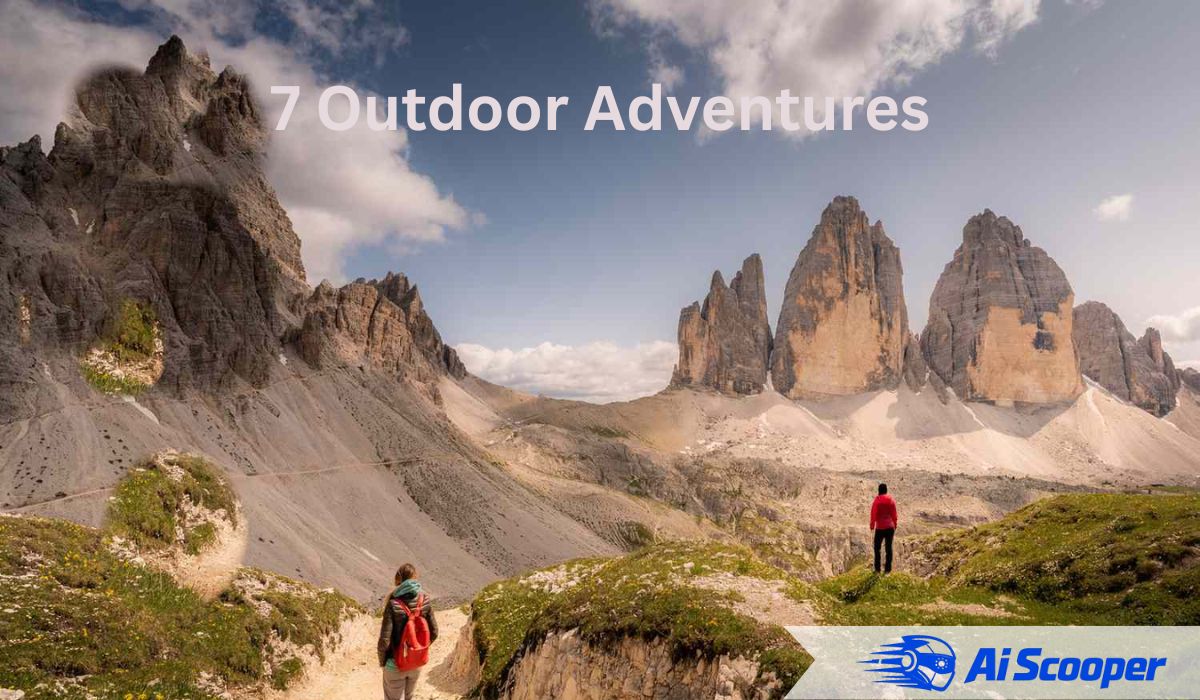
Hiking is one of the most rewarding ways to explore the outdoors because it is simple, flexible, and deeply immersive. A good trail can lead through pine forests, desert paths, green hills, rocky coastlines, or mountain valleys where every turn reveals something new. Unlike fast travel, walking gives you time to notice the details. You see wildflowers near your boots, hear birds above the trees, and feel the land change beneath you. That slow pace often makes the place feel more real and more memorable.
Many travelers begin with easy day hikes because they are affordable and easy to plan. A pair of sturdy shoes, enough water, and a clear trail map are often enough for a strong first experience. Over time, hiking can become more ambitious. People move from local nature trails to famous scenic routes, long-distance treks, and sunrise summit walks that stay with them for years. It is a natural starting point for anyone interested in adventure tourism because it offers a mix of exercise, peace, and discovery without requiring expert skill.
Camping Trips That Bring Back Simplicity
Camping changes your routine in a healthy way. Once your shelter is set and your bag is unpacked, the day becomes less about schedule and more about rhythm. You cook simple food, watch the sky shift color, and settle into a slower pace that many people miss in daily life. A night outdoors often brings back small joys that feel easy to forget, such as the warmth of a fire, the sound of leaves moving at night, or the comfort of waking up to cool morning air. This is one reason camping remains one of the most loved nature escapes around the world.
It also works well for many travel styles. Some people enjoy traditional tent camping in state parks or forest campgrounds, while others prefer glamping, cabins, or camper vans that offer more comfort. Families often like it because children can play, explore, and learn in a more open setting. Couples enjoy the quiet and closeness, while solo travelers often find it grounding and clear-headed. Camping is not only about sleeping outside. It is about stepping into a setting where life feels lighter, slower, and more honest.
Water Adventures That Mix Calm and Excitement
Kayaking and canoeing offer a beautiful balance between movement and stillness. When you travel by water, the world feels wider and quieter at the same time. Lakes reflect the sky, rivers guide your pace, and coastlines reveal views that roads cannot offer. Even a short paddle can feel special because it pulls you into the moment. You focus on balance, rhythm, and direction, but without the stress of fast competition. This makes paddling ideal for travelers who want a peaceful adventure with real physical engagement.
These experiences also fit many skill levels. Beginners can choose flat-water kayak tours with local guides, while more confident paddlers may enjoy sea kayaking, river routes, or overnight trips with camps along the shore. Wildlife often becomes part of the experience too, from birds and fish to distant seals or river deer depending on the region. Water-based travel has a way of making people feel both active and calm, which is rare and valuable. It is a strong choice for anyone looking for outdoor activities that support both fitness and mental reset.
Trail Riding and Mountain Biking for High-Energy Travelers
For travelers who enjoy speed and focus, mountain biking offers a strong mix of freedom and challenge. Riding through forests, across open hills, or along winding dirt trails creates a sense of motion that feels exciting without losing connection to the landscape. Every part of the trail asks for attention. You watch the ground, adjust your pace, and respond to turns, rocks, and climbs. That kind of focus can be refreshing because it leaves little space for stress from everyday life. You become absorbed in the ride itself.
Mountain biking has also become easier to try thanks to improved trail systems, rental shops, and guided route networks in many destinations. You do not need to be a serious athlete to enjoy it. Many places offer beginner-friendly tracks, gentle downhill rides, and scenic forest routes for first-time riders. As confidence grows, people often move toward steeper climbs, technical trails, and longer rides that become highlights of an active holiday. It is a great option for those who want outdoor sports that combine adventure, scenic travel, and physical energy in one outing.
Climbing, Ziplining, and Canyoning for Bold Memories
Some adventures stay in your memory because they ask you to face a moment of fear and move through it. Rock climbing, ziplining, and canyoning do exactly that. They invite you to trust your body, your guide, and your preparation. Climbing teaches patience and control as you work upward one move at a time. Ziplining offers a burst of speed and height that turns a few seconds into a powerful memory. Canyoning brings together water, rock, and movement in a setting that feels wild and exciting. These are ideal for travelers who want more than sightseeing.
What makes these activities so appealing is that many of them are open to beginners through guided programs. A person does not need years of experience to enjoy a safe first climb or a professionally managed zipline course. That makes these activities accessible while still feeling adventurous. They also create strong group energy, which is why they are popular for friends, couples, and family trips with older children. A shared challenge often becomes the story everyone talks about afterward, and that gives these high-action adventures lasting value.
Wildlife Experiences That Teach You to Slow Down
Not every memorable outdoor trip depends on speed, height, or hard effort. Wildlife safaris, birdwatching tours, and guided nature walks can be just as powerful because they ask you to observe rather than rush. Watching animals in their natural habitat changes the pace of a trip in a meaningful way. You start listening more carefully, scanning the landscape, and paying attention to patterns in the natural world. Whether you are looking for whales along a coast, deer in a forest, or elephants across open grassland, the experience often feels deeply moving because it is based on respect and patience.
These tours are also excellent for travelers who want learning as part of the adventure. A skilled guide can explain migration, habitat, local plants, and the way ecosystems work together. That added knowledge makes the experience richer and more memorable. Families often find this style of travel especially rewarding because it mixes wonder with education in a natural way. For photographers, quiet observers, and people who want a softer adventure, wildlife travel offers a powerful reminder that the outdoors is not only a place to move through, but also a place to notice with care.
How to Pick the Right Adventure This Year
Choosing the right trip starts with understanding what you want from it. Some people want a peaceful reset, while others want a physical challenge or a shared family experience. Your best choice depends on time, budget, energy level, and how comfortable you feel in the outdoors right now. A short hike may be perfect for someone easing into active travel. A camping weekend may suit a couple looking for quiet. A kayak tour might be ideal for someone who loves water but does not want a hard, extreme sport. The best adventures match the traveler, not just the trend.
A few simple ideas can help narrow your plan:
- Choose hiking for flexibility, scenic views, and beginner-friendly access.
- Pick camping for a slower trip that feels simple and grounding.
- Try kayaking or canoeing for peaceful movement and water scenery.
- Go with mountain biking for speed, energy, and active trail time.
- Book climbing, ziplining, or canyoning for a bold, guided challenge.
- Select a wildlife tour for learning, photography, and quiet connection.
Once your trip fits your real interests, everything becomes easier. You pack better, plan smarter, and enjoy the experience more because it feels right from the start. That is often the difference between a trip that feels forced and one that becomes a lasting memory.
Planning for Safety, Comfort, and a Better Experience
A great outdoor adventure begins before you leave home. Good planning makes the trip safer and far more enjoyable, especially if you are visiting a place with different weather, terrain, or local rules. Start by checking trail difficulty, seasonal conditions, and whether a guide is recommended. Wear proper shoes, carry extra water, and bring basic sun and rain protection even if the forecast looks friendly. Small choices like these often shape the whole day. When your body feels supported and your route is clear, you are more free to enjoy the setting around you.
It also helps to travel with respect for the place itself. Stay on marked paths, keep noise low around wildlife, and leave natural spaces clean for the next visitors. If you are traveling with children, older adults, or first-time adventurers, choose activities with realistic time frames and clear facilities. Outdoor travel should feel inviting, not punishing. When you prepare with care, you lower stress and raise enjoyment. That makes it easier to notice the beauty of the trip, build confidence, and return home feeling restored rather than worn out.
Final Thoughts
A year becomes more interesting when you fill it with experiences that move you, not only physically but emotionally. Outdoor travel does that in a very direct way. It asks you to walk farther, look closer, breathe deeper, and take part in the world instead of simply watching it pass by. From hiking and camping to paddling, biking, climbing, and wildlife watching, each of these adventures offers something slightly different, yet all of them lead toward the same reward: a stronger sense of being alive, awake, and connected.
The best part is that these experiences are not limited to expert travelers. They can begin with one local trail, one guided tour, or one weekend outside your usual routine. From there, the story builds naturally. One adventure leads to another, and before long, your year feels fuller, healthier, and more memorable. That is why these seven outdoor adventures are worth trying this year. They offer more than recreation. They offer perspective, personal growth, and moments you will likely carry with you for a very long time.
Frequently Asked Questions
1. What is the easiest outdoor adventure for beginners?
Hiking is usually the easiest place to start because it needs little gear and suits many fitness levels.
A short, marked trail gives you fresh air, scenic views, and a simple first step into active travel.
2. Are outdoor adventures good for families?
Yes, many nature trips work very well for families, especially camping, easy hikes, and wildlife tours.
They give kids space to explore while adults enjoy meaningful time together in a calmer setting.
3. What should I pack for a day outdoors?
Bring water, snacks, sun protection, a light jacket, and comfortable shoes for the terrain.
A small first-aid kit and a phone power bank also help make the trip smoother and safer.
4. Is kayaking harder than hiking?
Kayaking can feel harder at first because it uses different muscles and basic balance on the water.
Still, beginner tours on calm lakes or rivers are very manageable and enjoyable for most travelers.
5. Which adventure is best for a short vacation?
A camping weekend, guided hike, or zipline day trip works very well for a short break.
These options are easy to plan and still give you a strong sense of fun, nature, and escape.